7 Things You Need to Know Before Hiring Answer Engine Optimization Services

AI assistants like ChatGPT, Gemini, and Perplexity have changed how people search for information. Instead of scrolling through ten blue links, users now get one direct, synthesized answer and businesses that aren’t part of that answer are losing visibility in ways their traditional analytics won’t even show.
That’s driven a surge of interest in answer engine optimization services. But because the field is new, a lot of businesses jump in without understanding what they’re actually paying for, or what results to expect. Here’s what you should know before you commit.
1. AEO Is Not Just “SEO With a New Name”
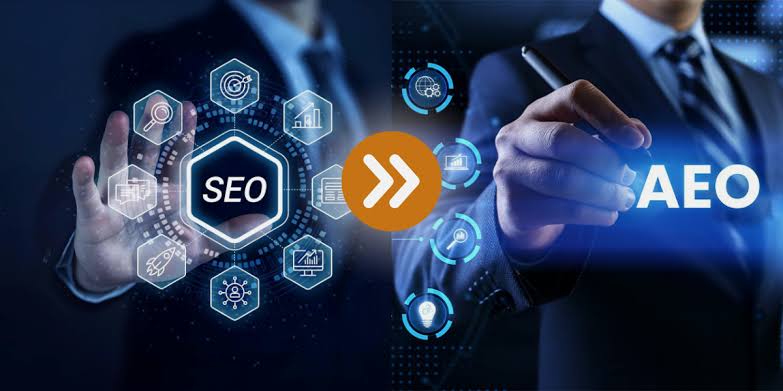
The biggest misconception is that answer engine optimization is simply traditional SEO rebranded. It isn’t. Traditional SEO optimizes for ranking position in a list of results. AEO optimizes for something more specific getting your content selected, extracted, and used inside a generated answer, often with no click at all.
That distinction matters because the techniques differ too. A page can rank well on Google and still be completely absent from an AI-generated response, simply because it isn’t structured in a way a model can confidently extract from.
2. Content Structure Matters More Than Word Count
Long, comprehensive articles aren’t automatically rewarded in AEO the way they sometimes are in traditional SEO. What matters more is whether the answer to a likely question sits clearly near the top of a section, in plain, direct language.
Good answer engine optimization services will typically restructure existing content before writing anything new pulling direct answers up front, breaking dense paragraphs into scannable chunks, and adding clear headers that match how people actually phrase questions.
3. Schema Markup Isn’t Optional Anymore
FAQ schema, How-To schema, and Organization schema all help answer engines parse your content accurately. Without this structured data, even well-written content can be harder for a model to confidently extract and cite.
If a provider offering answer engine optimization services doesn’t mention schema implementation as part of their process, that’s worth asking about directly.
4. AEO and Entity SEO Work Together, Not Separately
Here’s something a lot of businesses miss: answer engines don’t just evaluate individual pages they evaluate whether your brand is a clearly recognized, trustworthy entity across the web. This is where entity SEO comes in.
If your business name, credentials, and details are inconsistent across your website, directories, and social platforms, answer engines have less confidence connecting your content back to a trusted source. Pairing AEO work with a dedicated entity SEO agency strengthens both efforts at once the entity work builds the trust signal, and the AEO work builds the extractable structure. Businesses that treat these as separate, unrelated projects usually see slower, weaker results than those who address them together.
5. Citations From Credible Sources Carry Real Weight
Just like traditional SEO, third-party validation matters in AEO. Being mentioned, reviewed, or cited by credible external sources increases the likelihood that an AI model will treat your business as a trustworthy reference.
This is often the part businesses underestimate the most. Content optimization alone rarely gets you selected as a source — the surrounding trust signals from outside your own website matter just as much, sometimes more.
6. Results Look Different From Traditional SEO Reporting
Don’t expect the same kind of dashboard you’re used to. AEO success often shows up as brand mentions inside AI-generated answers, increased direct traffic from people who heard about you through an AI tool, and stronger topical authority — not necessarily a spike in click-through traffic.
Any agency offering answer engine optimization services should be upfront about this. If they’re only promising ranking positions and click volume, they may not fully understand what AEO is actually measuring.
7. This Is an Ongoing Process, Not a One-Time Fix
AI models get updated regularly, and the sources they trust can shift. A content structure that performs well today may need adjustments in six months. Treating AEO as a single project rather than an ongoing practice is one of the most common reasons businesses see their early gains fade.
The most effective approach combines periodic content audits, consistent entity signal maintenance, and regular monitoring of how (and whether) your brand shows up across different AI platforms.
What to Ask Before You Hire
Before signing on with any provider, it’s worth asking a few direct questions:
- Do you restructure existing content, or only create new content?
- Is schema markup implementation included?
- Do you also address entity consistency, or only on-page content?
- How do you measure and report AEO performance?
- Is this a one-time project or an ongoing service?
The answers will tell you quickly whether you’re dealing with a team that genuinely understands this space, or one that’s simply attaching a new label to their existing SEO packages.
Final Thought
Answer engines are becoming a real, growing part of how people find businesses, compare options, and make decisions — and that shift isn’t slowing down. Getting this right takes more than a few tweaks to existing content; it takes a coordinated approach that includes structure, credibility, and consistent brand recognition across the web.
Want to Know Exactly Where Your Brand Stands With AI Search?
Find out whether your content is ready to be part of the answers AI tools are already giving your potential customers.
Explore AM Web Insights’ Answer Engine Optimization Services → and get a clear picture of what’s working, what’s missing, and where to start.