Best Health Insurance Companies India: Complete Guide 2026

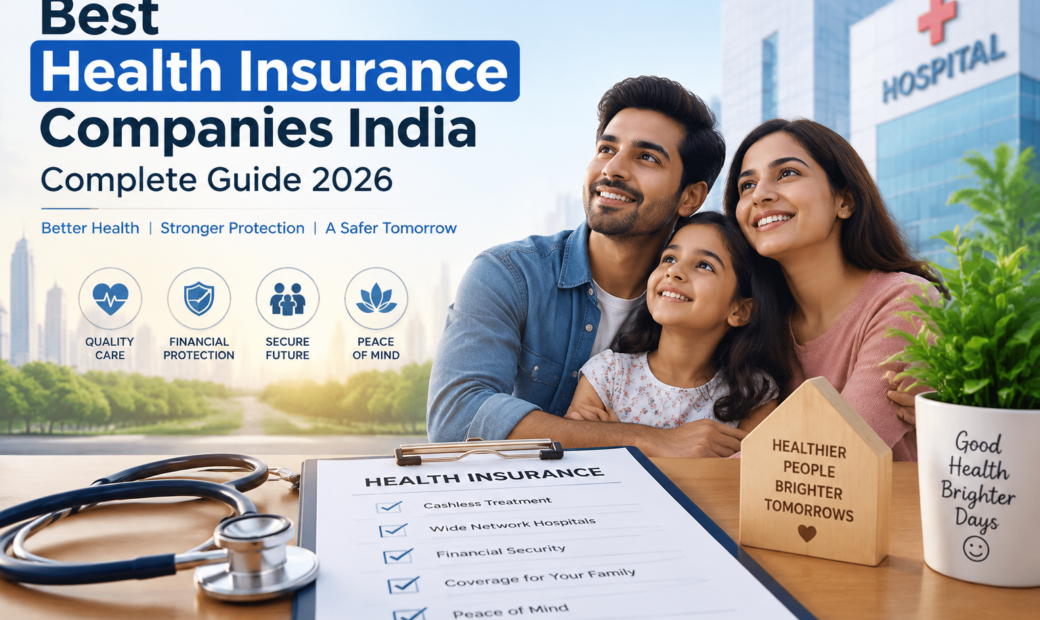
Healthcare costs in India have increased significantly over the last decade, making health insurance an important part of financial planning for individuals and families. Medical emergencies often arrive without warning, and even a short hospital stay can create a major financial burden if proper protection is not available.
Health insurance is no longer viewed only as a tax-saving product. Today, people are increasingly looking at policies as a way to protect their savings, access quality healthcare, and reduce stress during unexpected medical situations.
However, choosing the right health insurance company can be challenging. With dozens of insurers, different policy structures, changing benefits, and complex terms, many buyers struggle to understand which provider and plan match their actual needs.
This guide explores how health insurance companies in India operate, what factors consumers should evaluate, common mistakes to avoid, and how to make a better decision based on coverage, reliability, and long-term value.
The Main Problem: Choosing the Right Health Insurance Provider
The biggest challenge for many policy buyers is not finding a health insurance plan, but finding the right one.
Many consumers focus mainly on premium costs. While affordability matters, choosing the cheapest policy can create problems later if the coverage is limited, claim processes are complicated, or important medical expenses are excluded.
Some common issues faced by policyholders include:
1. Understanding Policy Coverage
Health insurance policies can vary greatly in terms of:
- Hospitalization coverage
- Room rent limits
- Pre-existing disease waiting periods
- Daycare procedures
- Critical illness benefits
- Restoration benefits
- Cashless hospital networks
A policy with a lower premium may not always provide sufficient protection when a major medical event occurs.
2. Comparing Different Insurers
Every insurance company highlights different strengths. Some may focus on a large hospital network, while others may provide flexible plans or additional benefits.
Consumers often find it difficult to compare:
- Claim settlement performance
- Customer service quality
- Policy features
- Renewal terms
- Additional coverage options
3. Changing Healthcare Costs
Medical inflation has become a major concern. Treatment expenses for surgeries, advanced procedures, and long-term illnesses continue to rise, making adequate coverage increasingly important.
A health insurance plan selected several years ago may not provide enough protection today due to increasing healthcare expenses.
Research and Data: Why Health Insurance Matters in India
India’s healthcare landscape has changed rapidly. Rising lifestyle-related diseases, increasing treatment costs, and greater awareness of preventive healthcare have contributed to higher demand for health insurance.
According to industry reports, India’s health insurance sector has experienced strong growth as more individuals recognize the need for financial protection against medical expenses.
With a growing number of insurers offering different policies, comparing coverage options, claim features, and policy benefits has become an important step before purchasing a health plan. Consumers can explore resources such as this detailed guide on top health insurance companies in India to understand how different providers compare and what factors should be considered while selecting suitable coverage.
Several trends are shaping consumer decisions:
Growing Preference for Higher Coverage
Earlier, many buyers selected smaller coverage amounts because medical costs were lower. Today, individuals are increasingly choosing higher sum insured options because major treatments can quickly exceed traditional coverage limits.
For example:
- A major surgery can cost several lakh rupees.
- Long-term treatment for chronic diseases can create recurring expenses.
- Advanced medical technology often increases treatment costs.
A higher coverage amount provides better financial protection against these situations.
Increasing Importance of Claim Experience
A health insurance policy is valuable only when it works during a medical emergency. Therefore, customers are paying more attention to claim-related factors.
Important indicators include:
- Ease of claim filing
- Documentation requirements
- Claim processing time
- Support during hospitalization
- Transparency in policy conditions
A smooth claim experience can make a significant difference during stressful situations.
Digital Transformation in Insurance
Technology has changed how people purchase and manage insurance.
Many insurers now provide:
- Online policy purchase
- Digital health records
- Mobile applications
- Online claim tracking
- Virtual customer support
These improvements have made insurance services more accessible, especially for younger consumers.
Practical Solutions: How to Select the Right Health Insurance Company
Choosing a health insurance provider requires looking beyond advertisements and premium prices. A systematic evaluation approach can help consumers make better decisions.
1. Evaluate Your Healthcare Needs
Before selecting a policy, consider:
- Your age
- Family medical history
- Existing health conditions
- Lifestyle factors
- Number of dependents
- Expected healthcare requirements
A young individual may have different needs compared with someone purchasing family health insurance.
2. Check Coverage Details Carefully
A good policy should provide adequate protection for your situation.
Important features to review include:
Sum Insured
The sum insured determines the maximum amount available for medical expenses. It should be realistic based on current healthcare costs.
Waiting Periods
Some policies have waiting periods for pre-existing diseases or specific treatments. Understanding these conditions prevents unexpected issues during claims.
Network Hospitals
A wide network of hospitals can provide better access to cashless treatment facilities.
Exclusions
Every insurance policy has exclusions. Reading these carefully helps avoid misunderstandings later.
3. Compare Insurers Based on Overall Value
A reliable health insurance company should offer a balance of:
- Competitive pricing
- Strong customer support
- Comprehensive coverage
- Transparent policy terms
- Efficient claim handling
Instead of selecting only based on popularity, consumers should compare multiple options according to their personal requirements.
4. Review Policy Regularly
Healthcare needs change over time. A policy selected years ago may no longer provide sufficient protection.
Regular reviews help determine whether you need:
- Higher coverage
- Additional benefits
- Family coverage changes
- Policy upgrades
Examples: Different Consumers, Different Insurance Needs
There is no single health insurance policy that works perfectly for everyone. Different individuals have different priorities.
Example 1: Young Professional
A 25-year-old professional may prioritize:
- Affordable premiums
- Individual coverage
- Preventive healthcare benefits
- Digital services
Since future healthcare needs may increase, selecting a policy with upgrade options can be useful.
Example 2: Family With Children
A family may focus on:
- Family floater plans
- Large hospital networks
- Maternity benefits
- Child healthcare coverage
In this situation, comparing family-focused features becomes more important than simply choosing the lowest premium.
Example 3: Senior Citizens
Older individuals usually need policies that consider:
- Higher medical risks
- Existing health conditions
- Comprehensive hospitalization coverage
- Easier claim support
Senior health insurance requires careful comparison because policy conditions can vary significantly.
Understanding the Indian Health Insurance Market
India has several established health insurance providers offering different types of plans. Consumers should focus on understanding what each insurer provides rather than choosing purely based on brand recognition.
A detailed comparison of leading providers, including their coverage options, benefits, and important considerations, can help buyers understand the available choices before selecting a suitable plan. Resources that compare the top health insurance companies in India can be useful starting points for researching different providers and policy features.
However, the final decision should always depend on individual requirements, financial capacity, healthcare expectations, and policy terms.
Common Mistakes to Avoid When Buying Health Insurance
Many insurance buyers make decisions quickly and later face difficulties. Some common mistakes include:
Choosing Only Based on Low Premium
Lower cost may mean reduced benefits or limited coverage.
Ignoring Policy Exclusions
Not understanding exclusions can lead to claim rejection or unexpected expenses.
Buying Insufficient Coverage
Medical costs can rise over time, so selecting adequate protection is important.
Providing Incorrect Information
Hiding medical history or providing inaccurate details can create problems during claim processing.
Not Reading Renewal Conditions
Long-term policy sustainability depends on understanding renewal terms and future affordability.
Conclusion
Health insurance has become an essential financial protection tool in India as healthcare expenses continue to rise. Selecting the right insurance company requires careful evaluation of coverage, claim experience, policy benefits, and personal healthcare requirements.
The best health insurance provider is not necessarily the one with the lowest premium or the biggest advertisement campaign. It is the one that provides suitable protection, transparent terms, and dependable support when it matters most.
By researching different options, understanding policy details, and reviewing coverage regularly, consumers can make more informed decisions and build stronger financial protection against future medical expenses.