How to Choose the Right Solar Installer in Melbourne, Victoria

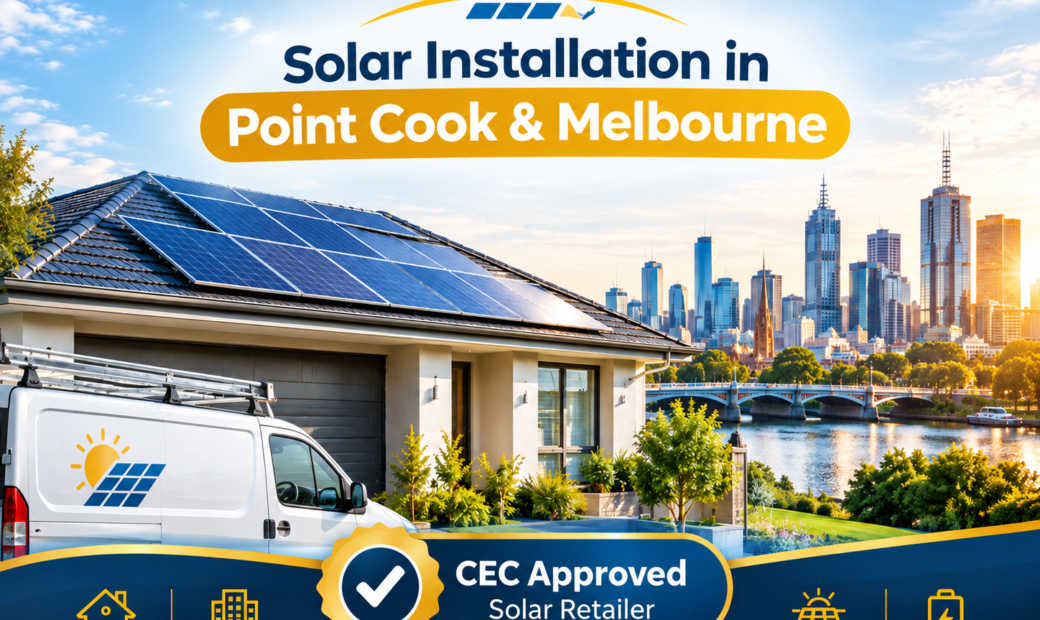
Choosing solar panels is an important investment, but there’s another decision that can have just as much impact on your experience: choosing the right solar installer.
With so many companies offering solar systems in Melbourne, comparing quotes can quickly become confusing. One installer may focus on a low upfront price, while another may recommend different panels, a larger system or additional features. But price alone doesn’t tell you whether an installer is right for your property.
From credentials and installation experience to equipment quality, warranties and after-sales support, there are several things worth checking before you sign a contract. Here’s what Melbourne homeowners and businesses should consider when choosing a solar installer.
1. Check the Installer’s Credentials and Experience
The first step is to find out who you’re actually dealing with.
A professional solar installer should have the relevant industry credentials and experience required for the type of installation you’re considering. Don’t hesitate to ask about their qualifications, accreditation and experience with similar properties.
Experience also matters because every property is different. Roof design, shading, orientation, electrical requirements and available installation space can all affect how a solar system should be designed and installed.
If you’re comparing Solar installers Melbourne, look beyond advertising claims and check whether the company can clearly explain its installation process and experience.
2. Look at the Company’s Local Experience
A company that understands the local market can often provide more relevant guidance about residential and commercial properties in the area.
When researching Local solar companies Melbourne, look at how long the company has been operating, the areas it services and whether it has experience with properties similar to yours.
Customer reviews can also provide useful insights into communication, installation quality and after-sales service.
However, don’t rely on reviews alone. Consider several factors together, including credentials, equipment, warranties, experience and the information provided in your quote.
3. Make Sure the Solar System Is Designed for Your Property
There isn’t one solar system that is suitable for every Melbourne property.
A good installer should consider your electricity consumption, roof size, roof orientation, shading and future energy requirements before recommending a system.
For example, a household with high daytime electricity usage may have different requirements from a home where most electricity is consumed in the evening.
The recommended system should therefore be based on your actual energy needs rather than simply choosing the largest or cheapest package available.
Ask your installer:
- What system size is being recommended?
- Why is this size suitable for my property?
- How much electricity could the system generate?
- Are there shading or roof limitations?
- Can the system support future battery storage?
4. Compare the Panels and Inverter, Not Just the Price
When comparing solar quotes, it’s easy to focus on the final dollar amount.
But a quote is only useful when you understand what it includes.
Check the exact panel brand and model, inverter specifications, system capacity, monitoring options and installation inclusions.
A cheaper quote may include different equipment or fewer services than another quote.
Look at:
- Panel efficiency
- Panel product warranty
- Performance warranty
- Inverter warranty
- Expected system performance
- Monitoring
- Installation inclusions
The goal isn’t necessarily to choose the most expensive equipment. Instead, look for a combination of suitable quality, performance, warranty and overall value.
5. Check the Quality of the Installation
Even high-quality solar equipment needs to be installed correctly.
The installation process can involve roof mounting, electrical connections, inverter installation, cabling and system commissioning. Poor workmanship can create unnecessary problems and may affect system performance and safety.
Ask the installer how the system will be installed and whether the quote includes all expected installation work.
You should also understand whether additional electrical work may be required for your property.
A transparent installer should explain these requirements before installation rather than surprising you with unexpected costs later.
6. Consider Your Household’s Energy Requirements
If you’re installing solar at home, your current electricity consumption should be one of the main factors in the system design.
For homeowners considering Residential solar panels Melbourne, review your recent electricity bills and look at when your household uses the most electricity.
Think about future changes too.
You may be planning to:
- Buy an electric vehicle
- Install a battery
- Add air conditioning
- Replace gas appliances with electric alternatives
- Increase electricity consumption
Discussing these plans with your installer can help ensure your solar system isn’t designed only around today’s requirements.
7. Businesses Need a Different Approach
Commercial properties can have very different energy requirements from residential homes.
A business may operate during the day, have higher electricity consumption and have a larger roof area available for solar installation.
If you’re researching Commercial solar panels Melbourne, ask the installer whether they have experience with commercial projects similar to yours.
Important considerations can include:
- Business operating hours
- Electricity consumption
- Available roof space
- System capacity
- Energy usage patterns
- Future expansion
- Monitoring and maintenance
For a commercial installation, system design should be based on the property’s actual energy profile rather than simply selecting a standard package.
8. Read the Warranty Terms Carefully
Warranty information is another important part of comparing installers.
Don’t look only at the number of years advertised. Find out what each warranty actually covers and who is responsible if you need to make a claim.
There may be separate warranties for:
Solar panels: Covering eligible product defects and performance.
Inverter: Covering eligible equipment faults according to the manufacturer’s terms.
Workmanship: Covering eligible installation-related issues.
Ask:
- Who provides each warranty?
- What is covered?
- What isn’t covered?
- How are claims handled?
- Does the installer provide after-sales assistance?
Understanding these details before installation can save confusion later.
9. Compare Quotes Properly
Getting multiple quotes can help you understand your options, but comparing them isn’t as simple as choosing the lowest price.
Create a simple comparison of:
System size → Panel model → Inverter → Installation → Monitoring → Warranty → Additional work → After-sales support → Total cost
This allows you to see what each company is actually offering.
For example, one quote might appear cheaper but use different equipment or exclude certain installation requirements.
The most useful question isn’t:
“Which installer is cheapest?”
Instead, ask:
“Which quote clearly explains what I’m receiving and why the system is suitable for my property?”
10. Don’t Forget After-Sales Support
Solar installation doesn’t necessarily end when the panels are switched on.
You may need help with monitoring, system performance, warranty questions or future upgrades.
Before choosing an installer, ask what kind of support is available after installation.
A company that clearly explains its support process can make it easier to know what to do if you experience an issue later.
Questions to Ask Before Choosing a Solar Installer
Before signing your contract, consider asking these questions:
- What credentials and experience do you have?
- Which panel and inverter models are included?
- Why is this system size suitable for my property?
- How much electricity can the system reasonably generate?
- What warranties are included?
- Are there any additional installation costs?
- Is monitoring included?
- What after-sales support do you provide?
- Can the system be expanded or connected to a battery later?
Clear answers can help you compare installers with greater confidence.
Final Thoughts
Choosing the right solar installer in Melbourne is about more than finding an attractive price. You should consider the company’s credentials, local experience, equipment quality, system design, installation standards, warranties and after-sales support.
Whether you’re planning Solar panel installation Melbourne for your home or looking for a larger commercial solution, take the time to understand exactly what each installer is offering.
A well-designed solar system starts with choosing an installer who understands your property, explains your options clearly and provides support beyond the installation itself. By comparing the complete service rather than focusing only on price, you can make a more informed decision for your home’s or business’s long-term energy needs.