
Digital Sales Room Software: The New Frontier of B2B Selling

Digital Sales Room Software: The New Frontier of B2B Selling
Modern B2B buyers rarely make purchase decisions the way they used to. Instead of relying on a single point of contact walking them through a pitch deck over a call, today’s buying committees often include five, ten, or even fifteen stakeholders, each reviewing materials on their own time, across different departments, and often without the salesperson in the room. This shift has created a real problem: sales content gets scattered across email threads, shared drives, and PDF attachments, making it nearly impossible to track engagement or keep the buying group aligned. Digital Sales Room (DSR) software has emerged as the solution to this fragmentation.
What Is a Digital Sales Room?
A digital sales room is a secure, centralized, and personalized online space where sales reps and buyers collaborate throughout the deal cycle. Instead of sending a scattered mix of proposals, case studies, pricing sheets, and contracts through email, a seller creates a single branded microsite tailored to that specific buyer. This hub can include product demos, ROI calculators, testimonials, mutual action plans, contracts, and messaging threads, all in one place that both sides can revisit at any time.
Unlike a static shared folder, a digital sales room is interactive and often mirrors the branding of both the vendor and the buyer’s company, creating a more polished, trustworthy experience. It essentially becomes a living deal room that evolves as the relationship progresses, from first discovery call through onboarding.
Why Digital Sales Rooms Matter Now
Several trends have accelerated adoption of this category:
Buying committees have grown. Gartner research has long noted that B2B purchases increasingly involve multiple stakeholders, many of whom never speak directly with a salesperson. A digital sales room lets champions inside the buying organization share a single link internally, ensuring every stakeholder sees consistent, up-to-date information rather than an outdated attachment forwarded three times.
Remote and hybrid selling is the norm. With fewer in-person meetings, sales teams need a substitute for the physical experience of a conference room presentation. A well-designed digital sales room recreates that immersive, guided experience virtually.
Buyers expect consumer-grade experiences. Just as consumers expect seamless digital experiences from retail apps, B2B buyers now expect the same polish and convenience from vendors, especially in complex, high-consideration purchases like enterprise software.
Sales teams need visibility. Traditional email and file-sharing tools offer almost no insight into what buyers actually do with sales content. Digital sales room platforms typically include engagement analytics, showing which stakeholders viewed which documents, how long they spent on each page, and which sections were shared internally. This data helps reps prioritize follow-ups and identify stalled deals before they go cold.
Core Features to Look For
While platforms vary, most digital sales room tools share a common feature set:
- Personalized microsites with buyer- and seller-branded pages
- Content aggregation, combining videos, PDFs, slide decks, and interactive tools in one link
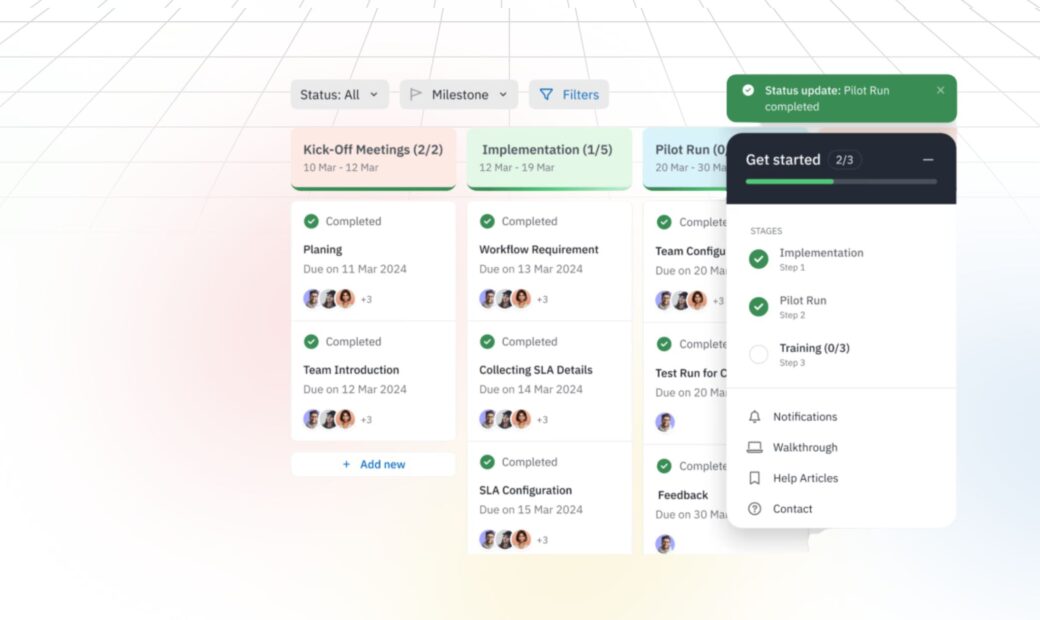
- Mutual action plans that outline next steps, deadlines, and owners for both sides
- E-signature integration to move from proposal to signed contract without leaving the room
- Engagement analytics showing real-time buyer activity
- Conversation threads or commenting features for asynchronous Q&A
- CRM integration, syncing activity data back into platforms like Salesforce or HubSpot
Business Impact
Organizations adopting digital sales rooms often report shorter sales cycles, since buyers can self-serve information without waiting on a rep’s availability. Deal visibility also improves, giving sales managers a clearer picture of pipeline health based on actual buyer behavior rather than a rep’s optimistic forecast. Additionally, because content lives in one continuously updated space, the risk of stakeholders working from outdated pricing or outdated proposals is significantly reduced.
Choosing the Right Platform
When evaluating vendors, consider how well the tool integrates with the existing tech stack (CRM, e-signature, content management), how easy it is for reps to build a room without heavy design skills, and how granular the analytics are. Security and permissioning are equally important, especially for regulated industries handling sensitive contract or pricing data.
Common Adoption Challenges
Despite their benefits, digital sales rooms aren’t a plug-and-play fix. Sales teams accustomed to email-based workflows sometimes resist changing habits, so successful rollouts usually pair the tool with clear internal training and a few visible early wins to build momentum. Content quality also matters more than the platform itself. A beautifully designed room filled with generic, outdated collateral won’t move a deal forward. Organizations get the most value when marketing and sales collaborate closely to keep assets fresh, relevant, and tailored to specific buyer personas rather than treating the sales room as a one-time setup task.
Measuring ROI
To justify continued investment, sales leaders typically track a handful of concrete metrics tied to digital sales room usage. These include time-to-close compared to deals run through traditional email, win rates for opportunities where a room was created versus those without one, and the percentage of buying committee members who actively engage with shared content. Some teams also monitor how quickly buyers move from first view to signature, since faster engagement often signals stronger intent. Over time, this data helps leadership decide which content types and room formats consistently correlate with won deals, allowing for continuous refinement of templates, messaging, and structure across the sales organization.
The Road Ahead
As AI capabilities mature, many digital sales room platforms are beginning to incorporate features like automated content recommendations, AI-generated meeting summaries, and predictive deal scoring. The next generation of DSR tools is likely to blur the line between sales enablement, buyer enablement, and revenue intelligence, turning what was once a simple content-sharing page into a genuine collaborative workspace for the entire deal.
Ultimately, digital sales rooms reflect a broader shift in B2B sales: away from seller-controlled, linear pitches and toward buyer-centric, self-directed, and highly personalized purchasing journeys.