How Do Medication Recalls Work, and Why Are They Issued?

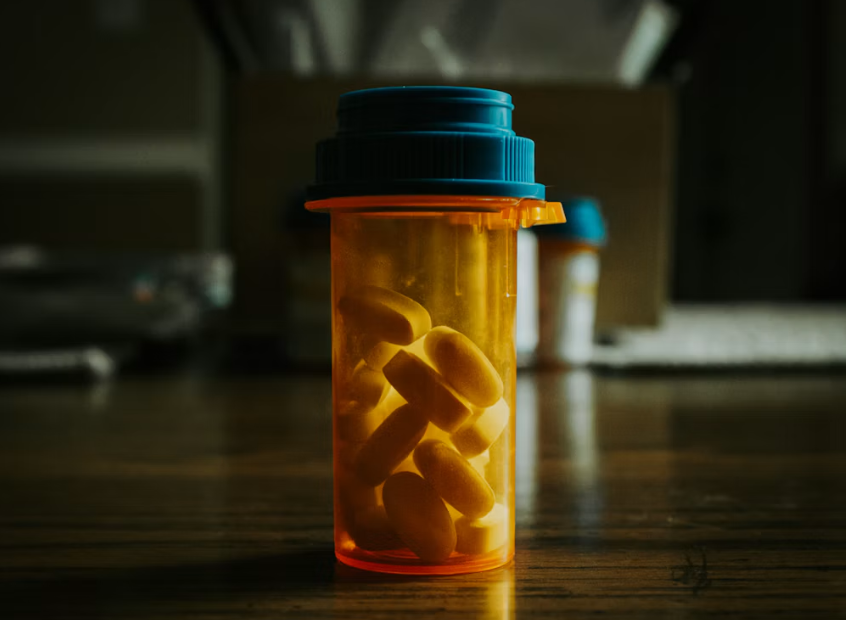
You open your medicine cabinet, and a news alert says your blood pressure pill has been recalled. Do you stop taking it? Is it dangerous? Who decides?
Medication recalls are more common than most people realize, and they are usually handled calmly and methodically. If you track your health data, they matter for another reason. Your lab results can reflect what you take, and a Blood Test Analysis App can show how your numbers move over time, including after a medication change.
This guide explains how medication recalls work in the US, why they happen, and what to do if one affects you.
What Is a Medication Recall?
A medication recall is the removal or correction of a drug that is defective or potentially harmful after it has reached the market. It can apply to one batch, several lots, or an entire product line.
A recall does not always mean the drug itself is unsafe. Sometimes the problem is a labeling error or a quality issue in one production run. Other times the risk is serious. That difference is why the FDA sorts recalls into classes.
Who Starts a Recall?
Most drug recalls in the US are voluntary. The manufacturer finds a problem and acts, often after talking with the FDA. The FDA can also ask a company to recall a product. In some situations, it has the authority to require one.
Either way, the FDA oversees the process. It reviews the company’s plan, assigns a risk classification, and checks that the recall is actually completed.
The Three FDA Recall Classes
The class reflects the level of health risk, not the size of the recall.
- Class I: A reasonable chance that using the product will cause serious harm or death. This is the most urgent category.
- Class II: Use may cause temporary or medically reversible harm, or the chance of serious harm is remote.
- Class III: Use is unlikely to cause harm, but the product breaks FDA regulations. A labeling or packaging error is a common example.
Most recalls fall into Class II. Class I recalls are less frequent but get the most attention.
A related action is a market withdrawal. It covers a minor issue that would not lead to FDA legal action.
Why Medications Get Recalled
Recalls generally trace back to one of these causes:
- Contamination. Bacteria, particles, or chemical impurities enter the product.
- Manufacturing defects. Tablets have the wrong strength, or a batch fails stability testing.
- Labeling or packaging errors. The wrong dose, missing warnings, or mixed-up containers.
- Safety signals after approval. Adverse event reports reveal a risk that wasn’t clear before.
- Sterility failures. This matters most for injectables and eye drops.
Many of these problems surface through quality control checks or through reports from doctors, pharmacists, and patients.
Real-World Examples
Tylenol, 1982. Seven people in the Chicago area died after someone tampered with Tylenol capsules. Johnson & Johnson pulled roughly 31 million bottles from shelves and later introduced tamper-resistant packaging. The case is still taught in business schools as a model of fast, transparent crisis response, and it changed how over-the-counter medicines are packaged.
Valsartan, 2018. Manufacturers recalled several blood pressure medications containing valsartan after testing found NDMA, a probable human carcinogen, in some lots. The cause was a change in the manufacturing process at an overseas supplier. The episode led to broader testing of drug ingredients for nitrosamine impurities across the industry.
Ranitidine, 2020. The FDA asked manufacturers to withdraw all prescription and over-the-counter ranitidine (the heartburn drug sold as Zantac) after finding NDMA levels that could increase over time in some products. Major manufacturers stopped distribution. This is a good example of a recall driven by how a product degrades during storage, not just by one bad batch.
Contaminated eye drops, 2023. Recalls of certain artificial tears followed reports of serious infections linked to bacterial contamination. The case showed how sterility failures can cause real harm and why the FDA pays close attention to non-prescription products.
What a Recall Costs
The business impact is significant. Manufacturers face direct costs for retrieving product, testing, destroying inventory, and notifying distributors. Then come indirect costs: lost sales, legal exposure, regulatory scrutiny, and damaged trust. Some companies take years to recover.
For consumers, the cost is usually smaller. Pharmacies often offer a refund or replacement. The larger cost is disruption, such as a gap in treatment or an extra doctor visit to switch medications.
How Recalls Reach You
Information moves through several channels:
- Manufacturers notify distributors, pharmacies, and sometimes prescribers.
- Pharmacies may call, text, or mail patients who filled a recalled lot.
- The FDA publishes notices and a weekly Enforcement Report listing recalls and their classes.
- News media cover larger or higher-risk recalls.
A recall that is announced but not yet classified may appear in the Enforcement Report as “not yet classified.”
What to Do If Your Medication Is Recalled
Don’t panic, and don’t stop a prescription on your own. Stopping some drugs suddenly, such as blood pressure medicines, can be riskier than continuing for a short time. Follow these steps:
- Read the notice carefully. Check the drug name, strength, and lot number printed on your bottle or box.
- Confirm your product is affected. Many recalls cover only specific lots.
- Call your pharmacist or doctor. Ask whether to stop, switch, or continue until a replacement is ready.
- Don’t throw it away yet. The pharmacy may need the bottle to process a refund or replacement.
- Report problems. If you had side effects, you can report them to the FDA’s MedWatch program.
- Keep a record. Note the date, product, and what your clinician advised.
Why Biomarker Tracking Helps
If you’ve been taking a medication for months or years, it has probably left a footprint in your data. Statins affect cholesterol numbers. Blood pressure drugs can change kidney markers and electrolytes. Some medications affect liver enzymes.
When a recall forces a switch, the new medication may not behave exactly like the old one. Your doctor may order follow-up labs to check that your numbers stay on track. Having your earlier results organized makes that comparison faster and clearer.
A few habits make this easier:
- Keep lab history in one place. Scattered PDFs make trends hard to see.
- Log your medications and start dates. A change in your numbers is easier to interpret when you know what else changed.
- Track trends, not single readings. One result can be noise. A pattern over several tests is more meaningful.
- Share summaries with your clinician. Organized data supports better conversations.
Platforms such as Vidaya are built for this kind of work. They bring together bloodwork, wearable data, and genetic information, track biomarker trends over time, and use an AI health assistant to explain results in plain language. They don’t make treatment decisions. They help you see what changed and prepare better questions for your doctor.
Risks and Limitations
Be realistic about what data tools can and cannot do.
- They don’t replace medical advice. Only your prescriber can decide how to handle a recalled drug.
- Lab trends are not proof of cause. Many things affect your results, including diet, sleep, illness, and lab variation.
- Privacy matters. Most consumer wellness apps in the US aren’t covered by HIPAA, so read the privacy policy before uploading lab data.
- Alerts can cause anxiety. Recall headlines can sound alarming even when the actual risk is low.
Best Practices for Staying Prepared
- Know your medications. Keep an updated list with names, doses, and the pharmacy that fills them.
- Keep the original packaging until you finish a bottle, so you can check lot numbers.
- Sign up for FDA recall emails and pharmacy text alerts.
- Use one pharmacy when possible. They can match your records against recalled lots.
- Schedule regular bloodwork, often every 6 to 12 months for healthy adults, or as your doctor advises.
- Ask questions. If you’re unsure whether a recall applies to you, call your pharmacist.
Choosing a Tool to Organize Your Health Data
If you want your lab results, medication history, and wearable data in one place, look for clear explanations, trend tracking, data export and deletion options, and honest limits on what the tool can do. The Best AI-powered Longevity App will connect the sources you already use, protect your data, and keep your clinician in the loop.
Conclusion
Medication recalls are a safety net. They exist to catch problems after a drug reaches the market and to correct them quickly. Most are voluntary, they are sorted by risk, and they are tracked until completion.
If one affects you, check the lot number, call your pharmacist or doctor, and keep taking your medicine until you’re told otherwise. Good records of your labs and medications make every step easier.
Frequently Asked Questions
1. What is the difference between a recall and a market withdrawal?
A recall addresses a product that violates FDA rules or poses a risk. A market withdrawal handles a minor issue that wouldn’t lead to FDA legal action.
2. Are drug recalls always dangerous?
No. Class I recalls involve serious risk, but Class II and III recalls often involve temporary, remote, or minimal risk, such as a labeling error. The class tells you how serious the problem is.
3. Should I stop taking a recalled medication right away?
Not without talking to your pharmacist or doctor. Stopping some medications suddenly can cause harm. Your clinician can tell you whether to switch immediately or continue briefly.
4. How do I find out if my medication has been recalled?
Check the notice for the drug name, strength, and lot number, then compare it with your bottle. You can also look at the FDA’s recall listings, call your pharmacy, or ask your doctor.
5. Can I get a refund for a recalled medication?
Often yes. Many pharmacies offer a refund or replacement. Keep the packaging and ask your pharmacist how to return it.