
India Rice Industry: Rising Domestic Consumption and Export Strength Drive Industry Growth

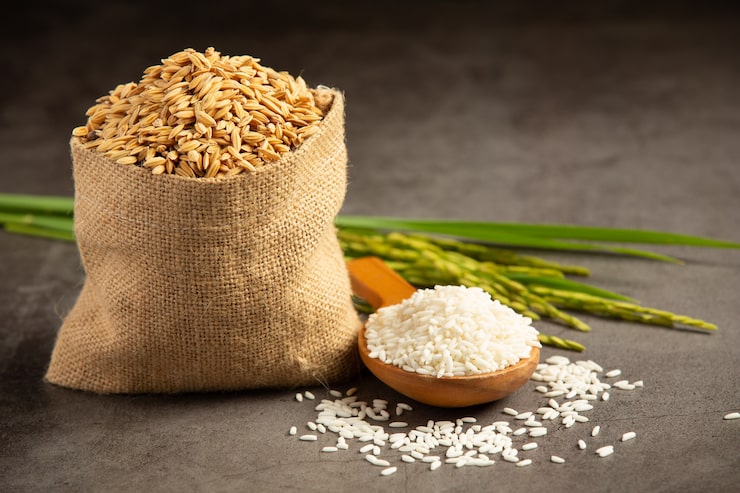
The India rice market continues to play a vital role in the country’s agricultural economy and global food supply. As one of the world’s largest producers and exporters of rice, India supports both domestic food security and international demand through a diverse range of rice varieties, including basmati and non-basmati rice. Rising population, evolving consumer preferences, government support for agriculture, and increasing exports are strengthening the market’s long-term outlook. In addition, advancements in farming practices, supply chain infrastructure, and food processing are creating new growth opportunities across the rice value chain.
According to the latest study by Markntel Advisor, the India Rice Market was valued at USD 47.36 billion in 2026 and is projected to reach USD 57.30 billion by 2032, growing at a CAGR of 3.23% during 2026–2032. The market is driven by increasing domestic consumption, expanding export opportunities, technological advancements in agriculture, and continuous investments in food processing and distribution.
Strong Domestic Demand Continues to Support Market Growth
Rice remains one of the most important staple foods in India, consumed daily by millions of households across both urban and rural regions. Population growth, increasing household incomes, and changing consumption patterns continue to sustain demand for high-quality rice products.
Consumers are also showing greater interest in premium rice varieties, organic rice, and specialty grains that offer improved quality and unique culinary experiences. This evolving demand is encouraging producers to diversify their offerings while maintaining consistent product quality.
The Food and Agriculture Organization (FAO) recognizes rice as one of the world’s most important food crops, supporting global food security and sustainable agricultural development.
Export Opportunities Strengthen Market Expansion
India continues to maintain a strong position in the global rice trade, supplying both basmati and non-basmati rice to numerous international markets. High production capacity, diverse rice varieties, and competitive pricing have strengthened the country’s export performance.
Growing demand from international markets encourages exporters to invest in improved milling technologies, modern storage facilities, and efficient logistics networks. These investments help maintain product quality while enhancing India’s competitiveness in global trade.
Continued expansion of export markets is expected to remain an important contributor to industry growth during the forecast period.
Technological Advancements Improve Agricultural Productivity
Modern agricultural technologies are transforming rice cultivation across India. Farmers are increasingly adopting high-yield seed varieties, mechanized farming equipment, precision agriculture techniques, and efficient irrigation systems to improve productivity.
Digital agriculture tools, weather forecasting systems, and data-driven farm management solutions are helping optimize crop production while improving resource efficiency. These innovations contribute to higher yields and better-quality harvests, supporting long-term market development.
The Indian Council of Agricultural Research (ICAR) promotes agricultural research and technological innovation to improve crop productivity, sustainability, and food security across India.
Food Processing Industry Creates New Growth Opportunities
The expansion of India’s food processing sector has increased demand for value-added rice products. Ready-to-cook meals, rice flour, breakfast cereals, snacks, and convenience foods are creating additional commercial opportunities for rice producers and processors.
Manufacturers continue investing in modern processing facilities that improve product quality, packaging, and shelf life. Growing consumer demand for convenience foods is expected to further strengthen the role of rice as a versatile food ingredient across multiple product categories.
Innovation in processing technologies also supports greater product diversification and export competitiveness.
Sustainability and Efficient Farming Gain Importance
Sustainable agriculture has become an increasingly important focus within India’s rice industry. Farmers and agricultural organizations are adopting water-efficient irrigation methods, responsible fertilizer use, improved soil management, and environmentally sustainable farming practices.
These initiatives help improve resource efficiency while supporting long-term agricultural productivity. Sustainable cultivation practices also contribute to environmental conservation and strengthen the resilience of India’s agricultural sector.
The United Nations Environment Programme (UNEP) promotes sustainable agriculture and responsible resource management, encouraging environmentally friendly farming practices that support long-term food production.
Quality Standards and Supply Chain Modernization Build Market Confidence
Maintaining product quality remains essential for both domestic consumption and international exports. Rice producers and processors continue implementing quality assurance systems, advanced milling technologies, and modern storage infrastructure to preserve grain quality throughout the supply chain.
Improved warehousing, cold storage, transportation networks, and traceability systems help reduce post-harvest losses while ensuring consistent product standards. Companies investing in supply chain modernization remain well positioned to meet growing consumer and export demand.
The Food Safety and Standards Authority of India (FSSAI) establishes food safety and quality standards that help ensure the production and distribution of safe, high-quality food products across India.
Conclusion
The India rice market is expected to maintain steady growth as domestic consumption, export demand, technological innovation, and sustainable farming practices continue to strengthen the industry. Investments in modern agriculture, food processing, supply chain infrastructure, and quality assurance are creating favorable conditions for long-term market expansion.
As producers continue embracing advanced cultivation techniques, responsible farming, efficient processing, and value-added product development, India’s rice industry will remain a cornerstone of the country’s agricultural economy and a key contributor to the global food supply.