
Multi Level Car Parking for Organized Vehicle Storage

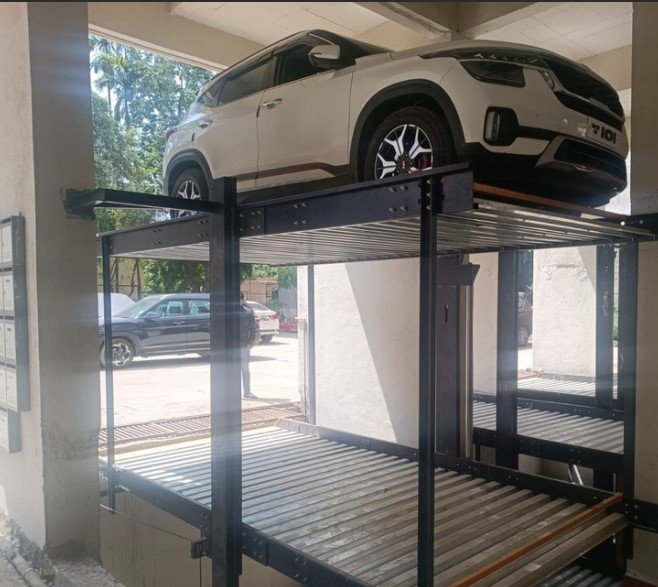
Multi Level Car Parking for Improved Traffic Management
The rapid growth of vehicle ownership across India has increased the demand for organized and efficient parking infrastructure. Residential societies, shopping complexes, hospitals, offices, educational institutions, and public facilities need practical solutions to manage increasing vehicle numbers. Therefore, Multi Level Car Parking has become an effective approach to improving parking arrangements and reducing congestion within busy properties. By using available vertical space, this system helps accommodate more vehicles in a planned layout. Moreover, it supports smoother vehicle movement, improves accessibility, and contributes to better traffic management in developing urban areas.
Understanding the Importance of Organized Parking
Unorganized parking can create several problems, including blocked entrances, narrow driving lanes, vehicle congestion, and difficulties accessing available spaces. Consequently, property owners and developers need structured parking facilities that support smooth movement and efficient space management. Multi Level Car Parking offers a systematic arrangement in which vehicles are stored across multiple levels rather than occupying large ground areas. Furthermore, designated parking spaces help reduce confusion among drivers and make vehicle movement more predictable. As a result, organized parking contributes to a safer and more convenient environment for residents, employees, customers, and visitors.
Reducing Traffic Congestion Within Properties
Traffic congestion is not limited to public roads; it can also occur inside residential complexes, commercial buildings, and institutional premises. For example, vehicles searching for vacant spaces can block internal roads and create unnecessary delays. Therefore, Multi Level Car Parking helps address this challenge by arranging vehicles in a planned structure that uses available space more efficiently. In addition, properly designed entry and exit points can support smoother vehicle circulation. Consequently, drivers spend less time searching for parking, while property managers can maintain better control over internal traffic movement and daily parking operations.
Maximizing Available Space Through Vertical Design
Land availability has become a major concern in rapidly expanding Indian cities. Since property prices continue to rise, developers must use every available area carefully. Multi Level Car Parking provides an effective solution by utilizing vertical space and reducing dependence on traditional surface parking. As a result, more vehicles can be accommodated within a relatively limited footprint. Moreover, the remaining ground area can be used for gardens, pedestrian pathways, recreational facilities, and other essential amenities. This approach improves land utilization while helping developers create more functional residential and commercial properties.
Supporting Residential Societies and Commercial Buildings
Residential communities and commercial developments experience different parking requirements throughout the day. For instance, apartment complexes need sufficient parking for residents and visitors, whereas offices and shopping centres may experience higher vehicle movement during peak hours. Multi Level Car Parking can help these properties manage their parking requirements through a structured and organized arrangement. Furthermore, it can be planned according to available space, vehicle capacity, and project requirements. Consequently, developers can improve parking convenience without unnecessarily reducing space for other facilities. This makes organized parking an important consideration in modern building design.
Improving Vehicle Entry and Exit Management
Efficient entry and exit arrangements are essential for preventing unnecessary delays within a parking facility. However, poorly planned access points can create queues, especially during morning office hours, evening departures, and busy shopping periods. Multi Level Car Parking can support better traffic circulation when its layout includes suitable access routes, clear directional signs, and properly planned movement areas. Additionally, designated entry and exit arrangements help drivers understand where to proceed. As a result, vehicle movement becomes more organized, and property managers can reduce confusion during periods of high parking demand.
Enhancing Safety and Parking Convenience
Safety is another important factor when developing modern parking infrastructure. A disorganized parking area may increase the chances of minor collisions, blocked pathways, and difficulties for pedestrians. Therefore, Multi Level Car Parking can contribute to a more controlled parking environment through clearly arranged spaces and planned vehicle circulation. Depending on the selected design, additional features such as lighting, safety barriers, sensors, and monitoring systems can further support operational requirements. Moreover, clear markings and directional information help drivers navigate the facility confidently, improving convenience for regular users and occasional visitors.
The Role of Technology in Modern Parking Systems
Technology is transforming the way parking facilities are designed and managed. Modern solutions may include automated controls, vehicle detection sensors, access management systems, digital displays, and monitoring equipment. When appropriately selected, these features can improve parking operations and help reduce unnecessary vehicle movement. Multi Level Car Parking can incorporate suitable technological features according to project size, budget, safety requirements, and operational needs. Furthermore, planned maintenance and regular inspections help maintain system performance. Consequently, property owners can develop parking facilities that respond more effectively to changing vehicle demands and modern infrastructure expectations.
Choosing the Right Parking Solution for Long-Term Needs
Selecting a suitable parking arrangement requires careful evaluation of several factors. Developers should consider the available land area, expected vehicle capacity, vehicle dimensions, site conditions, entry and exit requirements, and future expansion possibilities. Additionally, the system should comply with applicable building regulations and safety standards. Multi Level Car Parking should be selected according to the specific needs of the property rather than relying on a one-size-fits-all design. Therefore, consulting experienced parking solution providers and planning the installation carefully can help improve reliability, usability, and long-term operational efficiency.
Conclusion
Efficient parking infrastructure plays an important role in reducing internal congestion, improving accessibility, and supporting organized urban development. By making better use of available land, modern parking arrangements can accommodate growing vehicle numbers while preserving valuable ground space. Moreover, well-planned access routes, safety features, and suitable technology can improve the overall parking experience. As Indian cities continue to expand, investing in structured parking facilities can help residential and commercial developments manage increasing transportation needs. Ultimately, thoughtful parking planning supports smoother vehicle movement and creates more convenient, functional, and future-ready properties.
Read More about —Multi Level Car Parking