
SSPC Blast Standards Every Facility Should Know

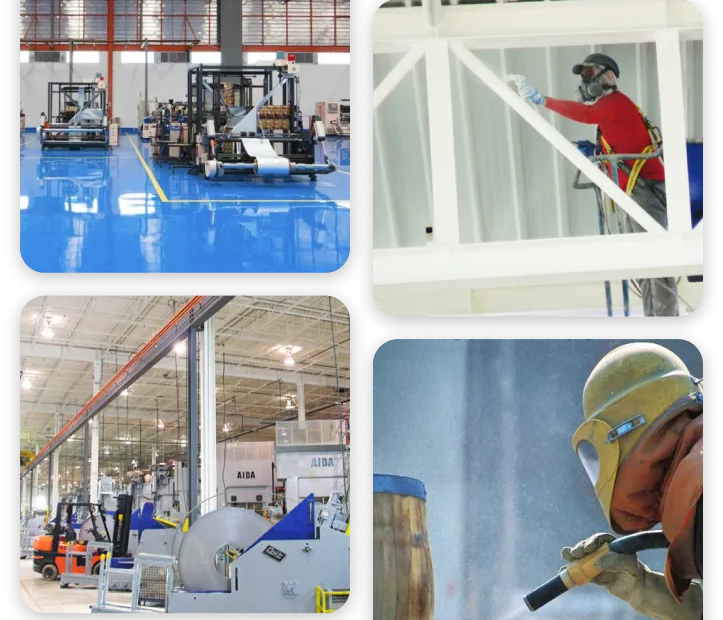
A coatings specification for a silo, storage tank or steel structure often names a required abrasive blast cleaning grade. That grade influences how long the blast takes, how much abrasive gets used and what criteria the inspector will apply. Surface condition, anchor profile, application quality and service exposure also affect how long the new coatings last before rust shows through again.
People Also Ask
How Does Commercial Blast Cleaning Differ From Near White Metal Blast Cleaning?
Near white metal blast cleaning permits less staining than commercial blast cleaning. The project specification should identify the required grade and its acceptance criteria.
Do SSPC blast standards specify how the steel is blasted?
They primarily define surface cleanliness, but they also contain requirements for achieving and verifying that condition, including procedures before and after blast cleaning, abrasive considerations and inspection. The specification and the contractor still determine the equipment and abrasive used on a given project.
For plant managers, maintenance leads and facility owners, SSPC blast standards can feel like contractor shorthand. They are really a buying tool. Knowing what each grade means helps you read a quote, compare bids fairly and question a spec that asks for too much or too little. This guide explains abrasive blast-cleaning grades, anchor-profile requirements, and the verification records facility managers should request for industrial sandblasting projects.
Why Coatings Specifications Reference SSPC Blast Standards
SSPC blast standards give owners, contractors and inspectors one measurable definition of “clean.” A specification naming a blast cleaning grade defines the permitted surface condition, including limits on staining. That removes guesswork, puts every bidder on the same scope and gives the inspector a clear pass or fail line.
Inadequate surface preparation can contribute to premature coatings failure, even when the selected coatings suit the application. Coatings manufacturers typically name a minimum surface preparation standard on the product data sheet, and their performance claims assume that grade was met.
These standards also require removing visible oil and grease before blasting, typically with solvent cleaning, because blasting over grease simply spreads it around.
| SSPC Standard | What May Remain |
| Brush Off Blast Cleaning | Tightly adherent mill scale, rust and existing coatings, after removal of visible oil, grease, dirt, dust and loose material |
| Commercial Blast Cleaning | Limited staining, subject to the specified standard |
| Near White Metal Blast Cleaning | Less staining than commercial blast cleaning, subject to the specified standard |
| White Metal Blast Cleaning | No visible contaminants or staining when viewed without magnification |
Brush Off Blast Cleaning Explained
Brush off blast cleaning allows tightly adherent material to remain. It requires removing visible oil, grease, dirt, dust, and loose material, including loose mill scale, loose rust, and loose coatings, but tightly adherent mill scale, rust, and existing coatings may remain. The standard’s test is simple: if you can’t lift the material with a dull putty knife, it counts as adherent.
Brush off blast cleaning may suit selected overcoating applications when the existing coatings are sound and the specified system permits this preparation grade. Think of the structural steel inside a dry warehouse where the original system is still well bonded.
The tradeoff is plain. The performance of coatings applied over retained material depends partly on that material’s condition and adhesion. If that layer later lets go, it takes the new work with it.
Commercial Blast Cleaning Explained
Commercial blast cleaning requires removing visible contaminants, except for the staining permitted by the specified standard.
This is the workhorse grade for atmospheric service. Exterior structural steel, metal building frames, silo exteriors and equipment in dry process areas are common candidates. It defines surface cleanliness. The specification must state the required anchor profile separately.
Commercial blast cleaning may not suit aggressive exposure. For chemical splash, persistent moisture or immersion, confirm the required preparation grade against the selected system and project specification.
Near White Metal Blast Cleaning Explained
Near white metal blast cleaning permits less staining than commercial blast cleaning. The steel appears largely uniform bare metal, with only faint, scattered shadows.
Near white metal blast cleaning may be specified for demanding service conditions when required by the selected coatings system and project specification. Oil and gas facilities, chemical process areas and heavily exposed exterior steel on plants can fall into this group.
One practical detail is worth raising with bidders. The existing condition of the steel, including mill scale, rust and pitting, affects how much blast time and abrasive each grade requires. Ask each contractor to explain how your steel’s condition shapes the scope and quote for the grade specified.
White Metal Blast Cleaning Explained
White metal blast cleaning requires no visible contaminants or staining when viewed without magnification. The required work depends on the steel’s condition and project requirements. Freshly exposed steel can develop flash rust before coatings are applied. Coatings need to follow promptly.
White metal typically applies to immersion linings on the interior of tanks, metalizing and other thermal spray work, and severe chemical service. Confirm whether the project requires white metal blast cleaning or permits near white metal blast cleaning before finalizing the scope. It is worth questioning if it shows up on a routine exterior job.
How Anchor Profile Requirements Fit Into the Spec
Cleanliness and anchor profile are separate requirements, and a good spec states both. Profile is the peak to valley depth that blasting cuts into the steel, measured in mils or microns. It gives the primer something to grip.
Too shallow, and adhesion suffers. Too deep, and peaks can poke through a thin primer film and start pinpoint rust. The right range comes from the product data sheet, and you choose the abrasive type and size to hit it.
Profile is measured with replica tape or a depth gauge, following the method named in the coatings specification. SSPC guidance sets how many readings to take and how to judge acceptance. A clear spec line names both the blast grade and the profile range, using whatever range the manufacturer lists.
Matching a Standard to Your Service Exposure
The right grade depends on what the steel will face once it is back in service. The table below shows common starting points, not fixed rules.
| Service Exposure | Typical Starting Point |
| Dry interior steel with sound existing coatings | Brush off blast cleaning where the specified system permits |
| General atmospheric exposure (structural steel, silo exteriors, equipment) | Commercial blast cleaning where specified |
| Harsh atmospheric or chemical exposure (oil and gas, process areas) | Near white metal blast cleaning where specified |
| Immersion linings and thermal spray | White metal or near white metal blast cleaning, as required by the selected system and project specification |
Select the preparation grade using the coatings manufacturer’s requirements and the approved project specification. Resolve any differences before work begins. The steel’s current condition matters too. The contractor should assess pitting and rust scale when defining the preparation scope and budget.
How Contractors Verify and Document the Result
A blast grade is only meaningful if someone checks it. A thorough verification process can include these steps:
- Remove oil and grease with solvent cleaning before blasting, and confirm the steel temperature sits above the dew point by the margin the coatings specification requires.
- Compare the blasted surface against the SSPC visual reference photographs for the specified grade.
- Measure anchor profile with replica tape or a depth micrometer and keep the readings.
- Check for residual dust, and test for soluble salts where the steel has seen chemical or road salt exposure.
- Confirm compressed air is free of oil and moisture using a blotter test.
- Clean again any area showing rust back before coatings go on.
Each step should end up in a daily report with conditions, readings and photos. As an owner, ask for these records. These records support verification against the specification and help investigate any later problems.
SSPC blast standards define the required surface cleanliness before industrial coatings are applied. Anchor profile and documented verification complete the picture.
Contact Induspray to request a free quote for industrial painting based on your facility’s surface preparation requirements. Induspray’s certified, licensed and fully insured crews provide sandblasting and coatings inspection for industrial and commercial painting services. Request a quote so we can review your specifications and scope.
Frequently Asked Questions
Which SSPC Blast Standards Are Commonly Used for Industrial Steel?
Commonly specified grades include brush off, commercial, near white metal and white metal blast cleaning. The appropriate grade depends on the selected coatings system, surface condition and service exposure.
How Does a Near White Metal Blast Differ From White Metal?
Near white metal blast cleaning permits limited staining under the specified standard. White metal blast cleaning permits no visible contaminants or staining when viewed without magnification.
What Is a “Unit Area” in These Surface Preparation Standards?
It is a small, defined section of the steel surface set out in the standard. Staining limits apply to each unit area rather than being averaged over the whole surface.
Can Power Tool Cleaning Replace Abrasive Blast Cleaning?
Power tool cleaning and abrasive blast cleaning have separate acceptance standards. Any proposed substitution requires approval under the project specification.
How Soon Should Blasted Steel Be Coated?
As soon as practical, before flash rust forms, and within the window set by the coatings specification and product data sheet. Any rust back that forms before priming has to be cleaned again to the specified grade.