Local Business Listing Optimization for Entity-Based SEO

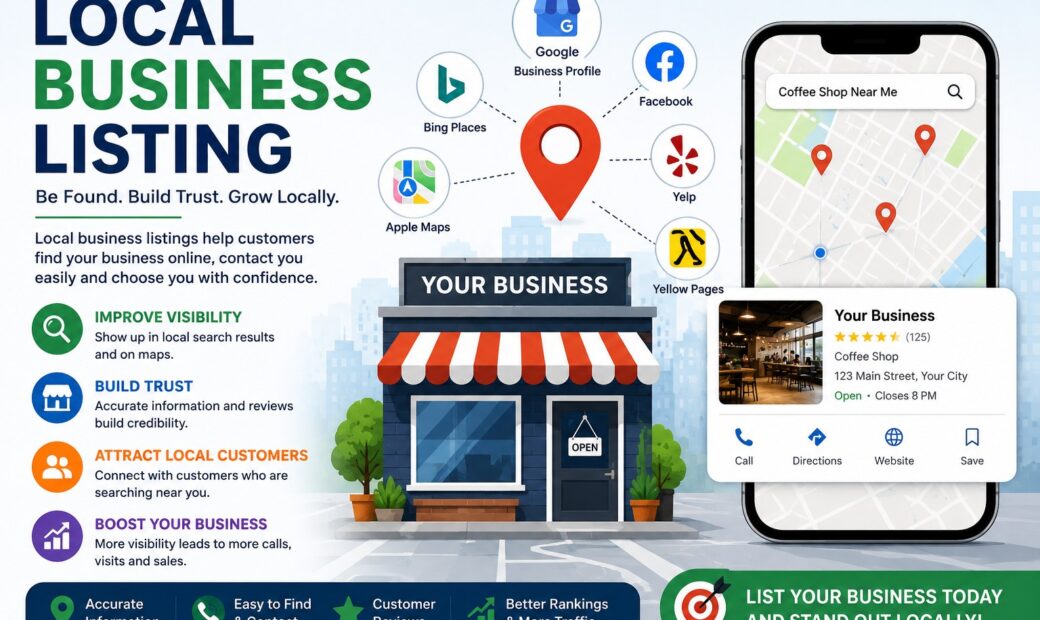
Search engines are becoming better at understanding businesses as real-world entities rather than simply matching keywords on web pages. They connect information from websites, directories, reviews, maps, social profiles, and other trusted sources to determine whether different references belong to the same business.
This shift makes Local Business Listing optimization more important for businesses competing in local search. The objective is not to publish the same details on as many websites as possible. It is to create a reliable digital identity that search engines can recognize, connect, and validate across multiple sources.
Local Business Listing as an Entity Signal
A Local Business Listing provides structured information that can help search engines associate a company with a specific entity. Business name, address, phone number, website, category, services, and location all contribute to this understanding.
However, advanced local SEO requires more than simple NAP consistency. Search engines can evaluate relationships between different signals. For example, a business website may identify its services, a directory may confirm its location, reviews may reinforce its business category, and map data may connect the company to a physical place. When these sources consistently describe the same organization, they create a stronger entity footprint.
Strengthen the Relationship Between Business Signals
Businesses should review how their information connects across the web rather than treating every profile as an independent page. Important signals include:
- Consistent business name, address, and phone details
- Correct primary and secondary categories
- Accurate service and location information
- Matching website and directory references
- Proper map and geographic information
- Genuine reviews associated with the correct business
- Consistent branding and business descriptions
Move Beyond Basic Citation Building
Optimize SEO Directory Listings With Context
Effective seo directory listings should provide enough context to help both users and search engines understand the business. A profile that contains only a name, phone number, and homepage link offers limited information.
An advanced listing should clearly communicate:
- What the business does
- Which services it provides
- Where it operates
- Which category best represents it
- How customers can contact or visit it
- Which website represents the official business
Category selection deserves particular attention. Choosing a broad category when a more specific option exists can weaken relevance signals. Businesses should select categories that accurately represent their primary service rather than choosing terms only because they appear popular.
Control Duplicate and Conflicting Entity Data
Duplicate profiles can weaken local SEO by creating conflicting business information and splitting reviews. Regular Local Business Listing audits help identify outdated details, duplicate pages, and incorrect categories.
Businesses should regularly review their directory profiles to identify duplicate, outdated, or conflicting listings. Where platform guidelines allow, duplicate profiles should be merged or removed so that reviews, business details, and authority signals remain connected to the correct listing. At the same time, the website’s Local Business schema should be kept accurate and aligned with the information visible on the site, including the business name, address, phone number, website, opening hours, and location. This consistency helps search engines connect the website with the correct business entity and reduces confusion caused by conflicting data across different sources.
Build a Consistent Entity, Not a Larger Listing Count
The strongest Local Business Listing strategy focuses on building a clear and trustworthy business entity across the web. Search engines compare information from websites, directories, maps, reviews, and other sources to determine whether these references represent the same legitimate business. When the business name, contact details, location, services, and other important information remain consistent, it becomes easier for search engines to connect these signals and understand the business accurately.
Businesses should therefore prioritize relevant and reliable directories instead of focusing only on the number of listings they create. Each profile should be complete, accurate, and regularly updated. Duplicate listings, outdated information, incorrect categories, and conflicting business details should also be reviewed and corrected. Over time, this approach creates a stronger and cleaner entity footprint, improves local discovery, supports better data consistency, and gives search engines greater confidence when interpreting the business and its online presence.