
How CT Scans Help Diagnose Abdominal Problems

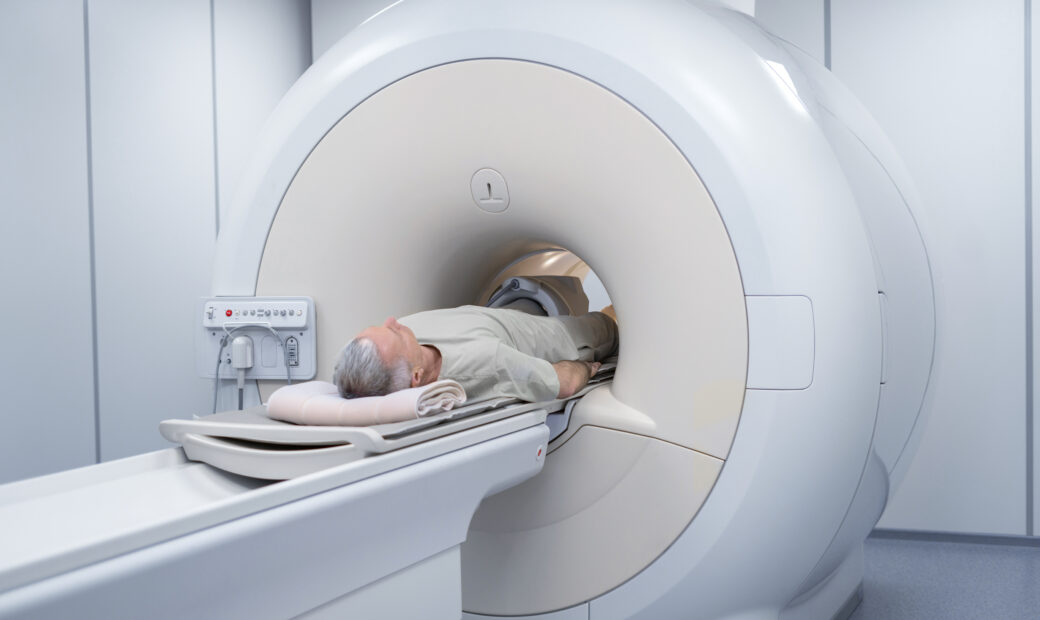
There are various diseases that can result in pain in the abdomen, and symptoms alone will not tell a doctor the cause of such pain. With CT scanning, doctors get to see a number of detailed images of the organs and tissues in the abdominal area so that they can investigate the issue at hand that might not be easy to determine through the physical examination of the patient. Be informed about CT scans so that you know what this procedure involves.
What Is an Abdominal CT Scan?
CT scanning is an imaging technology that makes use of both X-ray radiation and computers in order to generate multiple highly detailed cross sections of the body. While regular X-rays produce only two-dimensional images, CT scans allow visualization of internal organs, blood vessels, bones, and soft tissues from all sorts of angles.
In the case of an abdominal condition, some of the parts of the body that can be examined include the liver, spleen, kidneys, pancreas, gallbladder, and intestines. At times, contrast materials are used in order to enhance the visibility of particular blood vessels and tissues.
How CT Scan Aids in Diagnosis of Abdominal Issues
A CT scan can be especially beneficial when abdominal symptoms are long-lasting, extremely painful, or unclear. A scan can assist in identifying issues like appendicitis, kidney stones, diverticulitis, internal bleeding, infections, or abdominal injuries.
Furthermore, a CT scan can be helpful for the detection of organ changes that need additional attention. One must keep in mind that the CT scan results are analyzed with symptoms, medical history, physical examination, and possibly blood or urine tests.
Why a CT Scan Can Be Beneficial for Spleen Issues
The spleen is located in the upper left part of the abdomen and can be damaged due to various reasons. CT scanning allows for the acquisition of detailed information about the spleen structure and size.
A person who is studying spleen pain symptoms in women must be aware of the fact that the pain in the upper left side of the abdomen is not necessarily connected with the spleen.
What Are Common Signs of Spleen Problems?
Possible signs of spleen problems can vary depending on the underlying condition. Discomfort or pain in the upper-left abdomen may occur, and some people may experience pain that extends toward the left shoulder. Other symptoms can include feeling full quickly, fatigue, fever, or symptoms associated with an underlying infection.
These symptoms are not specific to spleen disorders. For example, stomach, pancreatic, kidney, or intestinal problems can cause pain in similar areas.
Anyone experiencing sudden, severe abdominal pain, particularly after an injury, should seek urgent medical assessment rather than relying on an online woman’s spleen pain guide or attempting to diagnose the cause independently.
What Occurs during an Abdominal CT Scan?
During the process of the scan, the patient will lie on a table and move inside the CT scanner. The scan is generally quick and painless. If contrast is used during the scan, it will depend on the type of examination whether it will be taken orally or intravenously.
Before carrying out the examination, it is important to inform the health care provider about any allergies; pregnancy or likelihood of pregnancy; kidney disease; and medications, if any. It will help in determining whether the use of contrast is advisable.
Under What Circumstances Must You Visit a Doctor About Abdominal Pain?
While there are instances where abdominal pain can be resolved on your own, there are instances when one needs the help of a doctor regarding abdominal pain, particularly when the pain is not getting better and/or is persistent. When you experience unbearable pain with fainting, bleeding, vomiting, fever, or injury to your abdomen, then a visit to the doctor is highly advisable. CT scanning does not necessarily apply to all cases of abdominal pain.
Selecting a Reliable Screening Provider
Facilities such as ViaScan of Las Colinas, serving patients in Irving, TX, provide diagnostic imaging services that can include CT examinations, giving patients access to imaging intended to help clinicians investigate a range of medical concerns, including spleen pain symptoms in women. The appropriate scan and preparation depend on the patient’s symptoms and the referring clinician’s requirements.
Patients often find the process easier when they understand why a scan has been requested and what preparation may be needed beforehand.
Final Thoughts