
Why Consistent Stock Levels Matter When Choosing a Wine Supplier Manila

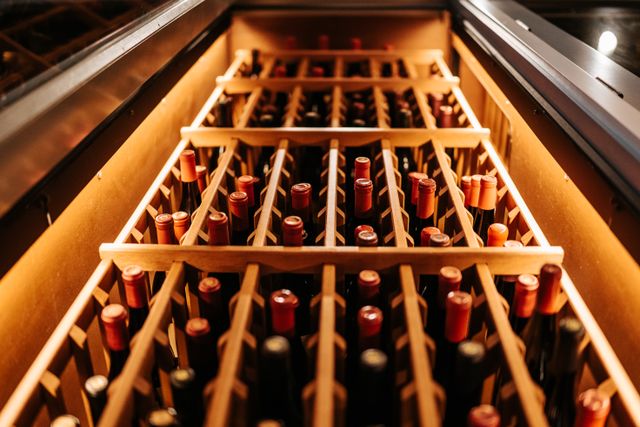
Consistent stock levels play an important role in keeping beverage businesses prepared for customer demand. Restaurants, hotels, bars, retailers, and event providers need reliable access to the products listed on their menus or offered to customers. A Wine Supplier Manila with dependable inventory helps businesses avoid frequent substitutions, delayed orders, and missed sales opportunities. Stable supply also supports better purchasing decisions because businesses can plan orders around predictable availability. Evaluating stock consistency should therefore be part of the supplier selection process alongside pricing, product range, delivery schedules, and service quality.
Why Consistent Stock Matters
Stock availability affects daily operations and customer experience. When frequently ordered wines are unavailable, businesses might need to recommend alternatives or remove products from their menus temporarily. Repeated shortages can make purchasing more difficult and affect how customers perceive the business.
Consistent inventory also makes forecasting easier. Businesses can use historical sales data to estimate future requirements when suppliers maintain dependable stock levels. This creates a more organized purchasing cycle and reduces the need for urgent replacement orders.
Prevent Product Substitutions
Customers often expect specific wines based on menus, promotions, or previous purchases. Frequent stockouts force businesses to offer alternatives, which might not match the customer’s preferred flavor profile, price range, or occasion. Consistent availability helps businesses maintain the product selection they have established.
Substitutions also create additional work for staff. Menus, ordering systems, promotional materials, and inventory records might need adjustments when products change frequently. Maintaining reliable stock reduces these disruptions and helps employees provide more consistent recommendations.
Reduce Missed Sales
A product that is unavailable when customers want it represents a potential missed sale. This is especially important for restaurants and retailers where certain wine varieties contribute regularly to revenue. Keeping popular products available helps businesses respond to demand without unnecessary interruptions.
Stock consistency also matters during planned promotions and events. A business that advertises a particular wine needs enough inventory to fulfill expected orders. Suppliers with reliable availability make it easier to coordinate purchasing with marketing and sales activities.
Supporting Better Inventory Planning
Inventory planning becomes easier when businesses have a clear understanding of supplier availability. Reliable stock allows buyers to establish regular purchasing schedules instead of placing emergency orders whenever a popular product runs low. This supports better control over purchasing costs and storage requirements.
Businesses should still maintain their own inventory records even when supplier stock is dependable. Sales patterns can change because of seasonal demand, promotions, events, and customer preferences. Combining internal data with supplier availability provides a stronger basis for deciding how much to purchase.
Set Practical Reorder Points
A reorder point indicates when a business should place its next order. The calculation should consider average sales, supplier lead time, and the amount of stock needed as a buffer. Reliable supplier availability makes these calculations easier to maintain.
Review reorder points regularly rather than treating them as permanent figures. A restaurant might sell more wine during holidays or special events than during ordinary weeks. Adjusting inventory targets according to demand helps prevent both shortages and unnecessary overstocking.
Maintain Safety Stock
Safety stock provides a buffer against unexpected demand or delivery delays. The appropriate amount depends on how quickly products sell and how dependable the supply chain is. Fast-moving wines often require closer monitoring than products with slower sales.
Safety stock should also reflect the importance of individual products. A wine that appears frequently on the menu might deserve a larger buffer than a product ordered occasionally. Reviewing sales data helps businesses determine where additional stock protection makes sense.
Evaluating Supplier Inventory Reliability
Stock consistency should be evaluated using actual supplier performance rather than promises alone. Buyers should review how often requested products are available, how frequently orders are partially fulfilled, and whether shortages occur without advance notice. These details provide a clearer picture of the supplier’s reliability.
Communication also matters when inventory issues arise. A supplier that informs customers about upcoming shortages gives businesses time to adjust purchasing plans. Early notice is more useful than discovering a product is unavailable after an order has already been submitted.
Review Order Fulfillment History
Track how often orders arrive complete and on schedule. Keep records of missing products, substituted items, delayed deliveries, and unexpected quantity changes. Over several orders, these records reveal whether the supplier maintains dependable service.
Look for patterns rather than isolated incidents. One temporary shortage does not necessarily indicate poor inventory management. Repeated shortages of high-demand products, however, deserve closer consideration before establishing a long-term purchasing relationship.
Ask About Restocking Schedules
Ask suppliers how frequently they replenish their inventory. Understanding restocking schedules helps businesses estimate when unavailable products are likely to return. It also provides useful information when planning recurring orders.
Suppliers should provide realistic expectations instead of vague delivery estimates. Ask whether restocking depends on local inventory, imported shipments, production schedules, or other supply factors. This information helps buyers plan around potential delays.
Matching Stock Levels With Your Business
Not every business requires the same level of inventory consistency. A large hotel with several restaurants might need frequent access to a wide range of wines, while a small retailer might focus on a smaller selection of high-demand products. Supplier evaluation should therefore reflect the business’s actual purchasing requirements.
Identify Your High-Demand Products
Review sales records to identify the wines that move most frequently. Pay attention to product categories, price points, bottle sizes, and customer preferences. These items should receive priority when evaluating supplier availability.
Also identify products linked to specific menus or promotions. A wine that supports a signature dish or seasonal campaign might be operationally important even if its overall sales volume is moderate. Prioritizing these products helps prevent supply issues from affecting planned offerings.
Consider Seasonal Demand
Wine demand can change during holidays, corporate events, weddings, and other occasions. Businesses should review previous sales data to identify periods when specific products experience higher demand. This information helps determine when additional inventory needs to be ordered.
Discuss seasonal requirements with your supplier before demand increases. Early communication gives the supplier more time to prepare inventory. It also reduces the likelihood of placing urgent orders when availability becomes limited.
Supplier Communication and Forecasting
Good supplier relationships depend on clear communication about expected requirements. Businesses should provide useful information about recurring orders, upcoming events, promotions, and expected demand increases. Suppliers with better visibility into customer needs have more information for planning inventory.
Forecasts do not always need to represent confirmed purchases. They can provide an indication of potential demand during a future period. This distinction allows businesses to communicate expected needs without committing to quantities before final sales information becomes available.
Share Purchase Forecasts
A purchase forecast gives your supplier an idea of what you expect to order. Include estimated quantities, preferred products, expected order dates, and important delivery deadlines. Update the forecast when your plans change significantly.
Forecasts are especially useful for businesses with recurring beverage requirements. Hotels, restaurants, and event companies often have enough historical data to identify predictable purchasing patterns. Sharing these patterns supports better coordination between buyer and supplier.
Discuss Supply Constraints Early
Ask suppliers whether certain products face seasonal, logistical, or availability constraints. Knowing about potential issues before placing an order gives you time to adjust quantities or identify suitable alternatives. This reduces the pressure created by last-minute shortages.
You should also establish a process for handling unavailable products. Decide whether the supplier will notify you before making substitutions or partial deliveries. Clear expectations reduce confusion when inventory conditions change.
Balancing Availability and Storage Costs
Maintaining consistent stock does not mean purchasing excessive quantities. Overstocking ties up money and occupies storage space that could be used for other products. Businesses need to balance availability with realistic sales expectations.
Avoid Overstocking
Review sales velocity before increasing order quantities. Products with slow turnover should not automatically receive the same stock levels as fast-moving products. Excess inventory becomes particularly inefficient when purchasing decisions are based on assumptions rather than sales data.
Storage conditions should also be considered. Wine requires appropriate handling and storage conditions to preserve product quality. Businesses should ensure their storage capacity matches the volume they plan to purchase.
Prioritize Inventory Turnover
Inventory turnover shows how quickly products move through the business. Comparing turnover across different wine categories helps identify products that require higher or lower purchasing levels. This information supports more efficient use of available storage and working capital.
A product with strong turnover might justify more frequent replenishment. A slower-moving product might require smaller orders and longer intervals between purchases. Reviewing these patterns regularly helps keep inventory aligned with actual demand.
Comparing Potential Suppliers
Stock consistency should form part of a broader supplier evaluation. Price, product range, delivery reliability, communication, order accuracy, and technical product knowledge also influence the value of a supplier relationship. Comparing these factors gives businesses a more complete basis for their purchasing decisions.
Look Beyond Product Variety
A supplier might offer an extensive catalog but still struggle to maintain inventory for its most popular products. A smaller catalog with reliable availability might provide greater practical value for a business with focused purchasing needs. Evaluate whether the supplier can consistently provide the products your customers actually purchase.
Ask for information about commonly stocked products and typical availability. Compare this information with your own sales records. The best match depends on how closely the supplier’s inventory aligns with your business requirements.
Evaluate Delivery Reliability
Stock availability matters less if deliveries regularly arrive late. Review delivery schedules, order processing times, and the supplier’s ability to meet agreed deadlines. Consistent delivery helps businesses maintain accurate inventory records and avoid unnecessary emergency purchases.
Ask how delivery schedules are handled during periods of high demand. Suppliers should have clear procedures for communicating delays or fulfillment issues. Reliable communication gives businesses time to make practical adjustments.
Key Takeaway
Choosing a wine supplier Manila involves evaluating whether the supplier can maintain consistent stock for the products your business relies on. Reliable availability helps reduce substitutions, missed sales, emergency purchases, and disruptions to menus or promotions. Businesses should track high-demand products, establish reorder points, maintain appropriate safety stock, review supplier fulfillment history, and discuss seasonal requirements early. Inventory planning should also balance product availability with storage capacity and sales turnover. Evaluating these factors gives you a stronger basis for selecting a supplier that supports reliable purchasing and day-to-day operations.