Postpartum Depression vs Baby Blues: What’s the Difference?

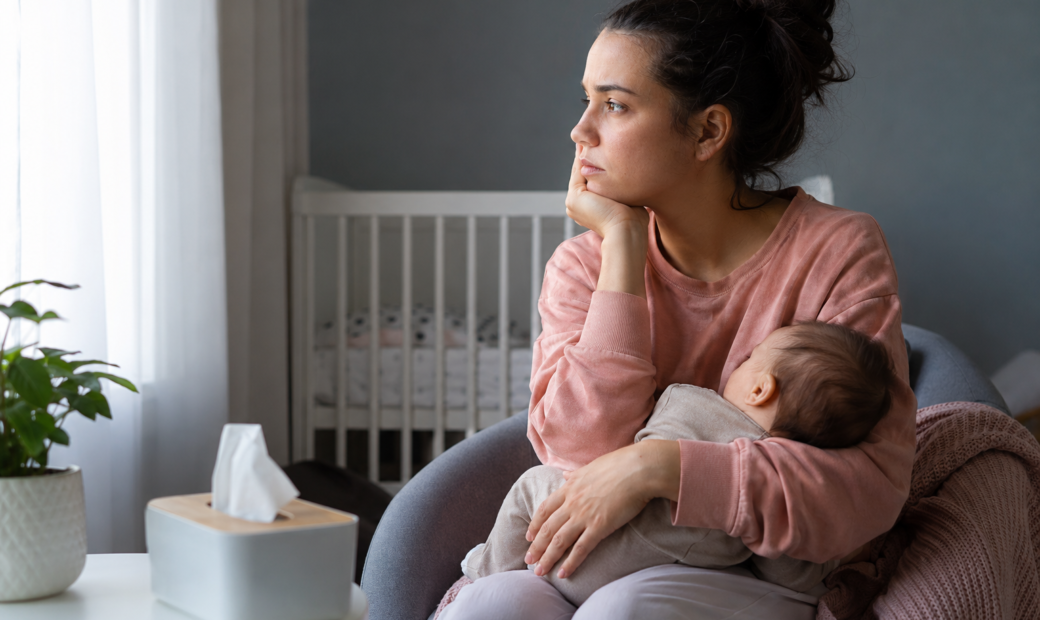
Having a baby can bring happiness, excitement and a strong sense of connection. But the weeks following childbirth can also bring unexpected emotional changes.
You may suddenly feel tearful, overwhelmed, irritable or anxious. You may wonder whether these feelings are simply part of adjusting to life with a newborn—or whether they could be signs of a mental health condition.
This is where understanding the difference between baby blues and postpartum depression becomes important.
Baby blues are common and usually temporary. Postpartum depression, however, is a more serious condition that can require professional psychological support and treatment.
Recognising the difference can help new parents get the right support at the right time.
What Are the Baby Blues?
The “baby blues” describe a short period of emotional changes that many people experience after childbirth.
Hormonal changes, physical recovery, sleep deprivation and the major adjustment to parenthood can all contribute.
Someone experiencing baby blues may:
- Cry more easily
- Feel emotionally sensitive
- Become irritable
- Feel overwhelmed
- Experience mood swings
- Feel anxious
- Have difficulty concentrating
- Feel unusually tired
- Worry about being a good parent
These feelings can be uncomfortable, but they generally improve on their own as the body adjusts and the new parent becomes more comfortable with their new routine.
How Long Do the Baby Blues Last?
Baby blues typically begin within the first few days after childbirth and usually improve within about two weeks.
Support from a partner, family member or trusted friend can be helpful during this period.
Practical support can also make a difference. Helping with meals, household responsibilities or caring for the baby can give a new parent opportunities to rest and recover.
However, if emotional symptoms continue beyond two weeks, become more intense or significantly interfere with everyday life, it is important to speak with a healthcare or mental health professional.
What Is Postpartum Depression?
Postpartum depression is a type of depression that can develop during pregnancy or after childbirth.
Unlike the baby blues, postpartum depression can be persistent and may significantly affect a person’s emotional wellbeing, relationships and ability to manage daily responsibilities.
Symptoms may include:
- Persistent sadness
- Frequent crying
- Loss of interest in activities
- Feelings of guilt
- Feelings of worthlessness
- Hopelessness
- Severe exhaustion
- Difficulty sleeping
- Changes in appetite
- Difficulty concentrating
- Feeling overwhelmed
- Difficulty bonding with the baby
- Feeling like you are not a good parent
- Withdrawing from others
Postpartum depression is not a sign of weakness or failure as a parent.
It is a mental health condition that can happen for many different reasons, and professional support can help.
Baby Blues vs Postpartum Depression
Understanding the differences can make it easier to know when additional support may be needed.
| Baby Blues | Postpartum Depression |
|---|---|
| Very common after childbirth | Less common but clinically significant |
| Usually begins within a few days | Can develop during pregnancy or after birth |
| Usually improves within about two weeks | Can continue for weeks or months without treatment |
| Mood changes are generally temporary | Symptoms can be persistent or worsening |
| Person may still experience moments of enjoyment | Interest and enjoyment may significantly decrease |
| Usually improves with rest and support | Often benefits from professional treatment |
| Does not usually severely affect functioning | Can significantly affect daily life |
The key issue is not simply whether someone feels sad.
It is how severe the symptoms are, how long they last and how much they interfere with daily life.
What Does Postpartum Depression Feel Like?
Postpartum depression can look different from person to person.
Some people experience obvious sadness and frequent crying.
Others may primarily experience:
Irritability → anxiety → exhaustion → guilt → emotional numbness
A new parent may appear to be coping from the outside while internally feeling overwhelmed.
Some people also experience thoughts such as:
“I’m not doing this properly.”
“My baby deserves someone better.”
“Why don’t I feel happy?”
“Everyone else seems to manage this better than me.”
These thoughts can be distressing, but experiencing them does not mean someone is a bad parent.
It can be a sign that additional emotional support is needed.
Can Postpartum Anxiety Happen Too?
Yes.
Depression and anxiety can occur together after childbirth.
Postpartum anxiety may involve excessive or persistent worry about the baby, health, safety or parenting.
Common symptoms may include:
- Constant worrying
- Racing thoughts
- Feeling restless
- Panic attacks
- Difficulty relaxing
- Repeatedly checking the baby
- Fear that something terrible will happen
- Difficulty sleeping because of worry
A new parent may know intellectually that their baby is safe but still feel unable to stop worrying.
When anxiety becomes persistent or interferes with daily life, talking to a psychologist can be helpful.
Why Does Postpartum Depression Happen?
There is rarely one single cause.
Several physical, emotional and social factors can contribute.
These may include:
Hormonal changes
Pregnancy and childbirth involve significant hormonal changes that can affect mood and emotional wellbeing.
Sleep deprivation
Newborn care can dramatically change sleeping patterns. Prolonged lack of sleep can make emotional regulation more difficult.
Previous mental health difficulties
People with a history of depression, anxiety or other mental health conditions may have a higher risk of experiencing difficulties during the perinatal period.
Difficult pregnancy or childbirth
Pregnancy complications, an emergency delivery or a traumatic birth experience may contribute to emotional distress.
Fertility treatment
For people who have gone through IVF or prolonged fertility treatment, pregnancy may bring mixed emotions, including fear, anxiety and uncertainty.
Lack of support
Limited practical or emotional support can make the transition into parenthood more challenging.
IVF, Pregnancy and Postpartum Mental Health
For some parents, the emotional journey begins long before childbirth.
After experiencing infertility or fertility treatment, finally becoming pregnant can be incredibly meaningful—but it does not necessarily eliminate anxiety.
Some people may continue to worry about:
- Miscarriage
- Pregnancy complications
- The baby’s health
- Whether the pregnancy will continue normally
- Becoming a parent after a long fertility journey
After birth, these concerns can sometimes continue or change into worries about the baby’s wellbeing.
This is one reason why integrated fertility and psychological care can be valuable.
Consider mental wellbeing throughout the reproductive journey—not only when someone develops severe symptoms.
When Should You Speak to a Psychologist?
You don’t have to wait until symptoms become overwhelming.
Consider speaking with a qualified psychologist if:
- Your low mood continues
- You feel anxious most of the day
- You are struggling to enjoy anything
- You feel constantly overwhelmed
- You feel disconnected from your baby
- You are withdrawing from your partner or family
- You are experiencing panic attacks
- You are struggling to sleep even when you have the opportunity
- You feel intense guilt about parenting
- Your emotions are affecting everyday functioning
- You feel unable to cope
Professional support can provide a safe space to understand what is happening and identify appropriate coping strategies and treatment options.
How Is Postpartum Depression Treated?
Treatment should be individualised according to the person’s symptoms, circumstances and clinical needs.
Psychological treatment may include approaches such as:
Cognitive Behavioural Therapy
CBT can help people identify unhelpful thinking patterns and develop practical strategies for managing difficult emotions.
Supportive therapy
Talking with a qualified mental health professional can provide a confidential environment to process the emotional transition into parenthood.
Couples therapy
Parenthood can change communication, responsibilities and relationship dynamics. Couples therapy can help partners navigate these changes together.
Perinatal psychological support
Specialised support can address pregnancy-related anxiety, birth experiences, postpartum adjustment and emotional wellbeing.
Depending on the situation, a healthcare professional may also discuss other treatment options.
How Can Partners Support Someone With Postpartum Depression?
Partners can play an important role.
Instead of saying:
“You should be happy—you have a healthy baby.”
Try:
“I can see that you’re struggling. I’m here with you, and we can find support together.”
Practical support can include:
- Helping with household tasks
- Sharing baby-care responsibilities
- Encouraging rest
- Listening without judgement
- Helping arrange an appointment
- Staying connected
- Taking symptoms seriously
Sometimes simply knowing that someone understands can make asking for help easier.
Postpartum Mental Health Support in Dubai
Mental health after childbirth deserves the same attention as physical recovery.
At Fertility & Wellbeing Center in Dubai Healthcare City, psychological wellbeing is part of an integrated approach to fertility, pregnancy and reproductive care.
Professional psychological support can help individuals and couples navigate emotional challenges related to pregnancy, childbirth, fertility treatment and the transition into parenthood.
If you are experiencing persistent sadness, anxiety, emotional overwhelm, or difficulty coping after childbirth, you don’t have to manage it alone.
Book a Consultation
Seeking psychological support is not a sign that you are failing as a parent. It can be an important step toward feeling more like yourself again.
Frequently Asked Questions
How can I tell the difference between baby blues and postpartum depression?
Baby blues are generally temporary and improve within around two weeks. Postpartum depression tends to be more persistent, severe and disruptive to everyday functioning.
How long do baby blues last?
Baby blues commonly improve within about two weeks after childbirth. If symptoms persist or worsen, professional assessment is recommended.
What are the main symptoms of postpartum depression?
Symptoms may include persistent sadness, loss of interest, guilt, hopelessness, severe fatigue, sleep difficulties, anxiety and difficulty functioning or bonding with the baby.
Can postpartum depression start during pregnancy?
Yes. Depression can occur during pregnancy as well as after childbirth, which is why the broader term perinatal mental health is used.
Can IVF increase anxiety during pregnancy?
The fertility treatment journey can be emotionally demanding, and some people may continue to experience anxiety after becoming pregnant. Psychological support can help manage these concerns.
Should I see a psychologist for postpartum anxiety?
If anxiety is persistent, overwhelming or interfering with sleep, relationships or everyday life, speaking with a qualified psychologist can be appropriate.