
Key Features of a Successful Roofing Services App

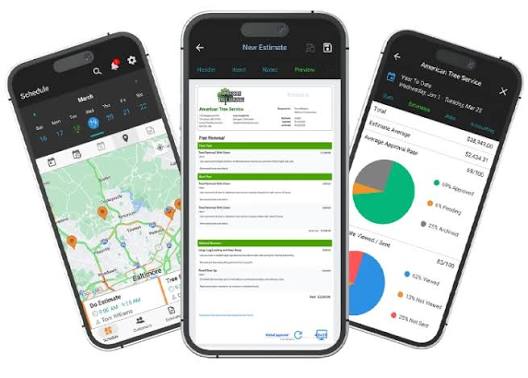
A well-planned roofing services app can help customers find roofing professionals, request inspections, compare service estimates, schedule appointments, and track job progress from one platform. For roofing contractors, such an app can simplify customer management, service scheduling, quotations, payments, and communication.
For businesses planning roofing services app development, selecting the right features is important for creating a useful and search-friendly service platform. The app should focus on simple navigation, accurate service information, secure transactions, and smooth communication between customers and roofing professionals.
Why Build a Roofing Services App?
Roofing customers often need quick access to contractors for inspections, repairs, maintenance, installations, and emergency services. A mobile application can connect customers with suitable professionals based on service requirements and location.
For roofing companies, an app can provide a centralized system for managing bookings, customer details, quotations, invoices, and service requests. It can also create additional opportunities for contractors to receive and manage new service orders.
Key Features of a Successful Roofing Services App
1. Customer Registration and Profiles
Customers should be able to create accounts using their email address, phone number, or social login. Their profiles can contain contact information, saved addresses, previous service records, and payment preferences.
A simple registration process reduces unnecessary steps and allows users to access roofing services quickly.
2. Roofing Service Categories
The application should clearly organize available services, such as:
- Roof installation
- Roof repair
- Roof replacement
- Roof inspection
- Roof cleaning
- Roof maintenance
- Leak detection
- Emergency roofing services
Each category can include service descriptions, estimated pricing, photographs, and available contractors.
3. Contractor Profiles
A roofing services app should allow customers to view contractor profiles before placing a booking. Profiles can display experience, certifications, service areas, customer ratings, completed projects, pricing information, and working hours.
This information helps customers make informed decisions when selecting a roofing professional.
4. Service Booking
Online booking is one of the most important roofing services app features. Customers should be able to select a service, provide their property details, choose a preferred date and time, and submit a request.
Contractors can then accept, reject, or reschedule the booking based on their availability.
5. Location and Service Area
Location functionality can help customers find roofing professionals who serve their area. Customers can enter their address manually or select a location through a map.
Contractors can also define their service radius, helping the platform match requests with suitable professionals.
6. Roof Inspection Requests
Roof inspection is an important requirement before many repair or replacement projects. The app can allow customers to request inspections and upload photographs or videos of their roofs.
Contractors can review the submitted information before visiting the property. This can help them understand the issue and prepare for the inspection.
7. Estimate and Quotation Management
A useful roofing application should provide a quotation system. Contractors can prepare estimates based on materials, labor, project requirements, and additional services.
Customers can review quotations within the app and approve or reject them. This creates a clear record of project pricing and reduces confusion between customers and contractors.
8. Real-Time Notifications
Push notifications can keep users informed about important activities, including:
- Booking confirmation
- Contractor acceptance
- Appointment reminders
- Quotation updates
- Payment confirmation
- Job status changes
- Service completion
Timely notifications can improve communication throughout the roofing project.
9. In-App Communication
A secure messaging feature can allow customers and contractors to communicate without relying on external applications. They can discuss project requirements, appointment details, material preferences, and other service-related information.
The application can also support image and document sharing when necessary.
10. Online Payments
A secure payment gateway can allow customers to pay service charges through cards, bank transfers, mobile wallets, or other supported payment methods.
The payment module should provide transaction confirmations, invoices, payment history, and refund handling where applicable.
11. Job Tracking
Customers should be able to monitor the progress of their roofing project. Contractors can update statuses such as:
Booking Confirmed → Inspection Scheduled → Estimate Approved → Work Started → Work Completed
This gives customers better visibility into their service requests.
12. Ratings and Reviews
After completing a service, customers can rate contractors and provide feedback. Ratings can help future customers compare professionals while giving contractors useful feedback about their services.
An admin panel should include tools for monitoring reviews and handling inappropriate content.
13. Admin Dashboard
The administrator needs a centralized dashboard to manage the entire platform. Important functions can include:
- Customer management
- Contractor verification
- Service management
- Booking management
- Payment monitoring
- Commission management
- Review moderation
- Reports and analytics
- Complaint management
A well-designed admin panel makes platform management easier as the number of users and service requests grows.
Advanced Features to Consider
Businesses looking for a more comprehensive roofing services app development solution can consider additional features such as contractor document verification, recurring maintenance bookings, promotional offers, digital invoices, multiple payment options, emergency service requests, and analytics dashboards.
Contractors may also benefit from tools for managing employees, materials, project schedules, customer records, and completed jobs.
How to Make a Roofing Services App Successful
Feature selection should be based on the target market and business model rather than adding unnecessary functionality. The application should have clear navigation, fast loading, secure user accounts, reliable notifications, and a simple booking process.
Before development begins, businesses should define the customer journey, contractor workflow, revenue model, service categories, and geographic coverage. A scalable backend and well-structured database can also support future expansion.
Frequently Asked Questions
What are the essential features of a roofing services app?
Customer registration, service categories, contractor profiles, booking, location support, quotations, payments, notifications, messaging, ratings, and an admin dashboard are key features.
How does a roofing services app help contractors?
It can help contractors receive service requests, manage appointments, prepare estimates, communicate with customers, track projects, and manage payments.
Can customers request roof inspections through the app?
Yes. A roofing application can include inspection booking, property information, image uploads, appointment scheduling, and inspection status tracking.
Can a roofing app support multiple contractors?
Yes. A marketplace-based application can connect multiple roofing contractors with customers and provide separate dashboards for contractors and administrators.
Conclusion
A successful roofing application should make service discovery, booking, inspection, quotation, payment, and project communication straightforward for customers and contractors. The right roofing services app features can create a reliable platform for managing roofing projects from initial requests through completion.
For businesses planning roofing services app development, defining the required features and workflows before development can help create an application that supports both customer needs and contractor operations.