
How Does Car Shipping Work? How to Ship Your Vehicle Safely and Avoid Hidden Fees

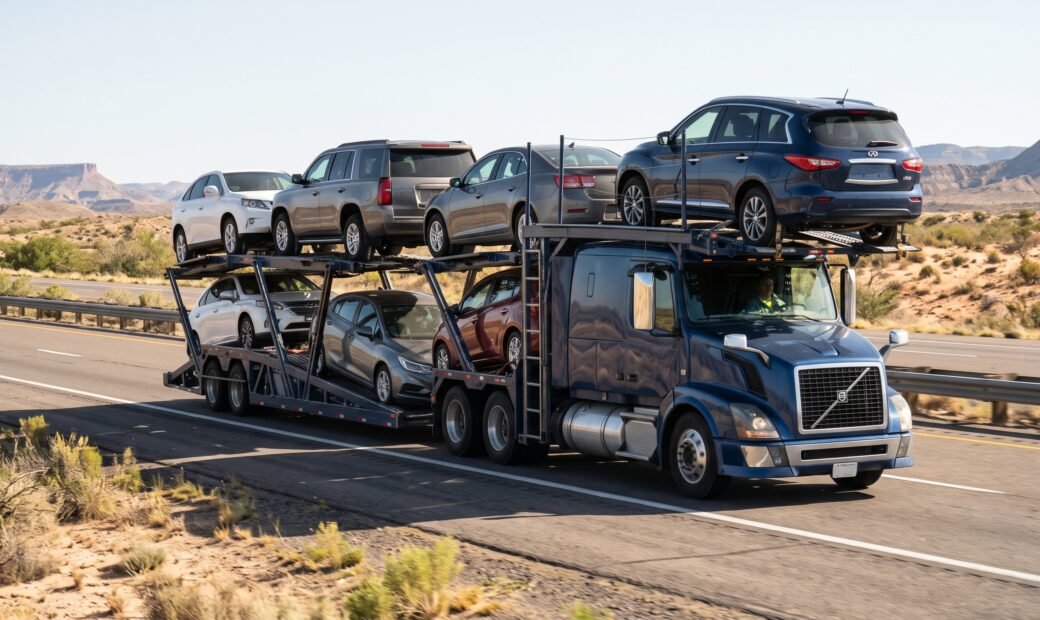
Shipping a vehicle across the country can feel completely overwhelming if you have never dealt with the transport industry. You are basically handing your keys over to a stranger, watching your car roll onto a massive heavy-duty trailer, and hoping it arrives in one piece a week later. But what exactly happens while it’s out of your sight?
How does car shipping work? The logistics are actually pretty straightforward. You hire a broker or a direct carrier to haul your vehicle on a commercial trailer. To get it done safely, you need to secure a binding price, prep the car for the road, sign a legal Bill of Lading at pickup, track the truck during transit, and do a hard, meticulous inspection at delivery so you don’t get stuck paying for damage.
Understanding how this machine operates behind the scenes is the only way to avoid predatory broker fees and keep your asset safe. Let’s break down the realities of moving a car.
The Complete Car Shipping Process: Step-by-Step
Moving a car isn’t like putting a box in the mail. The logistics involve tight federal regulations, heavy machinery, and strict liability handoffs. It moves through a very specific lifecycle from the moment you ask for a price to the second the driver hands back your keys.
1. Requesting Quotes and Vetting a Carrier
Getting a price online is the easy part. Getting an honest price? That takes work. You will immediately notice that online quotes are all over the place. That happens because the auto transport space leans heavily on brokers. Brokers are the middlemen who take your order and then find an independent driver on dispatch boards—like Central Dispatch—to actually move the car.
When you start vetting a car shipping company, ignore the initial dollar amount for a second. Ask for their MC (Motor Carrier) or USDOT number right out of the gate. Run it through the FMCSA safety database. Does their broker bond check out? Is their insurance active? Never agree to a quote until you read the fine print on their cancellation policy. You need to know if the rate you are looking at is a legally binding contract or just a lowball guess designed to get you on the hook.
2. Preparing Your Vehicle for Transport
Truck drivers hate surprises. They operate under strict Department of Transportation weight limits, which means you cannot treat the back seat of your sedan like a storage unit. Clean out the cabin entirely. Before the driver shows up, wash the exterior of the car. A clean car makes it significantly easier to spot and document any existing scratches or paint chips on the Bill of Lading before the vehicle gets loaded.
Keep the gas tank around a quarter full. Anything more just adds dead weight to the trailer, which cuts into the driver’s fuel economy and creates a safety risk. Finally, don’t forget to rip off any toll passes from the windshield. If you leave an E-ZPass active, you will end up paying electronic tolls for a truck driving through five different states while your car just sits parked on the trailer.
3. Pickup, Transit, and Tracking
When pickup day hits, a multi-car hauler or a flatbed will roll into your neighborhood. If your streets are too tight for an 80-foot truck, the driver will ask you to meet them in a nearby commercial parking lot. You and the driver will then walk the perimeter of the car together. Every single scratch, dent, and flaw gets noted on the origin Bill of Lading. Treat this piece of paper like gold. It is your primary insurance receipt.
If you plan to ship car to another state, get familiar with the timeline realities. A cross-country run usually eats up seven to ten days. Drivers face mandatory weigh stations, bad weather, and incredibly strict federal driving limits—by law, they can only drive 11 hours during a 14-hour shift. Ask your dispatcher how they handle tracking. A solid, modern outfit provides GPS updates or lets you text the driver directly to check on the progress.
4. Delivery and Final Inspection
When the truck finally pulls up at your destination, do not just take the keys, say thanks, and walk inside. Do a hard, aggressive inspection. Pull out that origin Bill of Lading and compare it against the car sitting in front of you. If delivery happens at night, pull out a flashlight. See a new dent or a cracked windshield? Write it down on the final paperwork before you hand over the final payment. If you sign a clean delivery receipt and find damage the next morning, the carrier’s insurance company will deny your claim on the spot.
Open vs. Enclosed Transport: Which is Right for You?
How you choose to physically move the car dictates what you pay and how much risk you take on.
| Transport Variable | Open Air Transport | Enclosed Transport |
| Market Share | Roughly 90% of the industry | About 10% of shipments |
| Physical Protection | Exposed to rain, dust, and highway debris | Complete protection from weather and rocks |
| Average Cost | The baseline industry standard | Expect to pay 30% to 50% more |
| Best Suited For | Daily drivers, standard SUVs, used cars | Exotics, classics, high-end luxury models |
| Insurance Limits | Standard cargo coverage (100k-250k) | High-limit cargo policies (often hitting $1M+) |
| Transit Speed | Usually faster due to massive truck availability | Slower dispatch since fewer trucks run these routes |
Open transport gets the job done for almost everyone. It is practical and cost-effective. But if you are moving a restored 1969 Mustang or a brand-new Porsche 911, the enclosed premium is worth every penny. You are essentially buying absolute immunity from severe weather and highway rock chips.
How Does Auto Transport Work When Calculating Costs?
Pricing in this industry isn’t pulled from a static catalog. Carriers figure out your final bill based on raw logistics: mileage, the footprint of your vehicle, the season, and the trailer type. You are effectively bidding for a spot on a commercial truck against other customers.
- Vehicle Size and Weight: A massive Ford F-250 eats up space. A Honda Civic doesn’t. Bigger, heavier vehicles cost more because they limit how many other cars the driver can pack onto the trailer before hitting federal weight caps.
- Distance and Location: Total miles definitely matter, but route popularity matters more. Moving a car from Miami to New York is cheaper per mile than shipping one out to a quiet town in rural Montana. Drivers offer better rates on routes where they know they can easily pick up a guaranteed return load.
- Seasonality: Snowbird season flips the market upside down. Come late fall, thousands of people ship cars from the Northeast down to Florida. Prices for southbound routes skyrocket. In the spring, the exact opposite happens.
- Operability: If your car doesn’t run, expect a surcharge. The driver has to use a winch to manually pull a dead car onto the trailer, which takes up time and extra effort.
Red Flags: How to Avoid Hidden Fees and Broker Scams
The absolute worst part of the auto transport world is the bait-and-switch pricing model. You jump online, request a quote, and get a shockingly cheap offer. You pay the deposit. Then, a week later, the broker calls you up. Suddenly, they “can’t find a driver” for your route unless you pony up an extra $300 to $400.
That initial quote was a trap. It was never meant to actually move your car; it was just a hook to grab your non-refundable deposit. Good brokers price the job at the actual, current market rate so a driver will realistically accept the load from the dispatch board.
Never trust a quote that sits hundreds of dollars below the average. Run away from companies asking for payments through Zelle, CashApp, or wire transfers before a truck is even assigned. Real brokers take credit cards for the upfront deposit, and you pay the rest straight to the driver at delivery with cash or a certified check. If you want more no-nonsense guides on how the logistics industry actually operates, head back to our Home page to explore our latest breakdowns.
Frequently Asked Questions (FAQ)
How long does the car shipping process take?
The exact car shipping process timeline depends heavily on total distance and current driver demand. Moving a car coast-to-coast usually takes 7 to 10 days on the road. Regional moves under 500 miles typically take 1 to 3 days. Just remember, this doesn’t include the 1 to 5 days it might take a broker to secure a driver in the first place.
Can I pack personal items in my trunk?
Federal law is strict here: auto carriers are not household movers. Most drivers enforce a hard “no personal items” rule because they don’t want to get hit with fines at the weigh stations. Some might look the other way if you throw a 100-pound bag of clothes in the trunk, but you do so entirely at your own risk. Carrier cargo insurance will never cover stolen or damaged personal belongings left inside the vehicle.
What happens if my car is damaged during transit?
If the car gets damaged, you have to note every single scratch on the final Bill of Lading at the exact time of delivery. Take photographs with time stamps while the driver is still standing there. Call your broker right away, demand the carrier’s insurance certificate, and file the formal claim. If you forget to write down the damage on the delivery receipt before the driver leaves, you completely lose your right to hold them liable.