Signs of Water Damage to Look for When Buying a Used Car in Sharjah

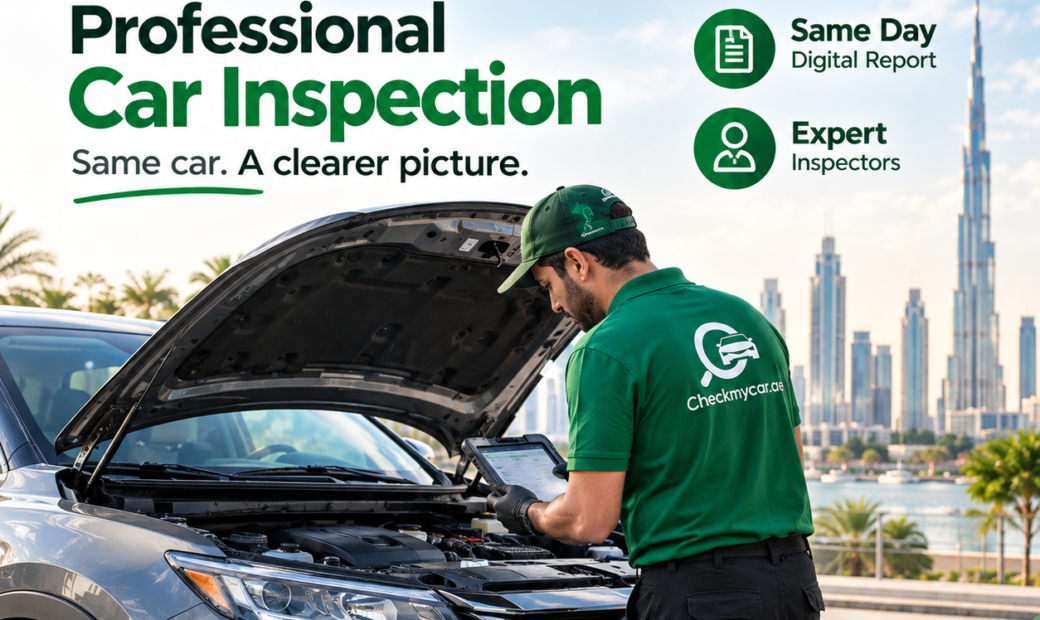
Buying a used car can be a practical way to save money, but checking its condition carefully is essential before making a final decision. One problem buyers sometimes overlook is previous water damage. A vehicle may look clean, have polished paintwork, and appear well maintained while hiding corrosion, electrical faults, or moisture inside its cabin. These problems can develop over time and may lead to expensive repairs. A professional Car Inspection in Sharjah can help buyers identify visible warning signs and understand the vehicle’s overall condition before purchasing it.
Water damage can occur for several reasons, including flooding, heavy rain, leaking windows, damaged door seals, or water entering through the vehicle’s air intake. Not every sign of moisture means that a car has suffered flood damage. However, several unusual findings together should encourage buyers to investigate further. Knowing what to look for can help you ask the right questions and make a more informed decision.
Check for Unusual Smells Inside the Car
One of the easiest ways to begin checking a used car is to pay attention to the smell inside the cabin. A persistent musty, damp, or mouldy odour may indicate that moisture has remained inside the vehicle. Water can become trapped beneath carpets, inside seat padding, or behind interior panels, making it difficult to remove through ordinary cleaning.
Some sellers may use strong air fresheners or interior cleaning products to cover unpleasant smells. If the vehicle smells unusually strong, allow the cabin to air out briefly and check whether the damp smell remains. Remember that odours alone cannot confirm water damage, but they are worth investigating alongside other signs.
Examine the Carpets and Upholstery Carefully
Carpets and seats can provide useful clues about the vehicle’s past condition. Open the doors and inspect the floor mats, carpets, and visible upholstery for stains, discolouration, damp patches, or unusual marks. If possible, gently check accessible carpet edges to see whether moisture or dirt appears underneath.
Pay particular attention to the footwells, the area beneath the front seats, and the rear passenger floor. Water may collect in low areas and remain hidden even after the cabin appears dry. Look for carpets that seem much newer than the rest of the interior or upholstery that has been replaced without a clear explanation.
Fresh carpeting does not necessarily mean the car has suffered water damage. It may simply reflect normal refurbishment. However, when replacement materials appear alongside musty smells, corrosion, or electrical problems, further investigation is sensible.
Look for Rust in Unexpected Places
Rust can develop when metal components remain exposed to moisture for extended periods. During your initial checks, look for unusual corrosion around seat mounting points, exposed metal beneath the dashboard, accessible door interiors, and the boot area. Check visible fasteners and metal brackets for rust that appears inconsistent with the vehicle’s age and general condition.
Some surface rust may be normal, depending on the component and the vehicle’s use. The concern is corrosion in several areas that would not ordinarily be exposed to standing water. Rust in enclosed locations may indicate that moisture entered places that are difficult to dry properly.
A professional Car Inspection in Sharjah can help assess accessible areas and determine whether visible corrosion deserves further attention. Buyers should avoid assuming that every rusty component proves flooding, but they should also avoid ignoring corrosion in unusual locations.
Inspect the Boot and Spare-Wheel Compartment
The boot is an important area to check because water can enter through damaged seals, body openings, or previous accident repairs. Open the boot, lift the removable floor covering if possible, and examine the spare-wheel compartment. Look for water stains, mud deposits, unusual odours, damp material, or corrosion.
Check the rubber seal around the boot opening for cracks, gaps, or damage. Also examine visible seams and the condition of the boot lining. If the lining looks recently replaced or does not match the rest of the vehicle, ask the seller why the work was carried out.
A blocked drainage path or damaged seal can allow water to enter without the car ever having been submerged in a flood. Identifying the source of moisture matters because a small leak may be repairable, while extensive water exposure could involve more serious hidden problems.
Test Electrical Components and Dashboard Warning Lights
Modern vehicles depend on electrical systems for many functions, including engine management, safety equipment, lighting, infotainment, and driver assistance features. Moisture can damage wiring connections and electronic components, sometimes causing faults that appear days or months after the original exposure.
Test the windows, door locks, interior lights, headlights, indicators, air conditioning controls, dashboard displays, and infotainment system. Start the vehicle and observe the dashboard warning lights. Warning lights that remain illuminated or appear unexpectedly should be investigated.
Keep in mind that a short test cannot confirm that every electrical system is working correctly. Some faults are intermittent, while others require diagnostic equipment to identify. Ask whether a professional inspection includes electronic diagnostics, and request clarification about any warning codes or unexplained electrical behaviour.
Check the Seat Belts and Other Hidden Areas
Seat belts and less visible interior areas can sometimes reveal signs that are easy to miss during a quick viewing. Pull each seat belt out fully and inspect the accessible webbing for unusual staining, dampness, or a musty smell. Check around seat rails, under accessible floor coverings, and near the lower edges of interior trim.
Look for inconsistent materials, recently replaced components, or visible dirt deposits in areas that are normally protected. However, avoid removing fixed trim or electrical components yourself, as doing so could cause damage or create safety issues.
These checks should be considered together rather than individually. A replaced seat belt may be related to an accident repair, while new interior trim may be part of ordinary refurbishment. Ask the seller for an explanation and compare the answer with available service and repair records.
Review the Vehicle’s Service and Repair History
A vehicle’s history can help explain unusual physical signs. Ask the seller about previous water exposure, body repairs, insurance claims, electrical repairs, and any incidents involving heavy rain or flooding. Review available maintenance invoices and repair records, and check vehicle history information where accessible.
Pay attention to unexplained gaps in the service history or repairs involving multiple electrical components. If the seller claims that the car has never experienced water damage but you notice several concerning signs, request supporting information rather than relying on verbal assurances alone.
A missing service record does not automatically mean a vehicle has a problem. Likewise, a complete record does not guarantee that the car has never suffered damage. The most reliable approach is to combine documentation with a careful physical assessment and professional advice.
Understand the Possible Long-Term Repair Costs
Water-related problems can vary significantly in severity. A leaking door seal may require a relatively straightforward repair, while extensive corrosion or damaged electronic control units can be much more expensive to address. Moisture inside connectors and wiring can also lead to intermittent problems that are difficult to diagnose.
Before agreeing to buy a vehicle with possible water damage, ask a qualified technician to assess the findings and explain which repairs may be needed. Consider the cost of resolving known issues, the possibility of additional hidden faults, and whether suitable replacement parts are available.
Do not judge the vehicle solely by its purchase price. A car that initially appears affordable may become expensive if it requires repeated electrical repairs or extensive interior restoration. Comparing the likely total cost with other vehicles can help you decide whether the purchase makes financial sense.
Arrange a Professional Car Inspection in Sharjah
A visual examination is a useful starting point, but it cannot always reveal hidden corrosion, damaged wiring, or problems inside electronic systems. A professional Car Inspection in Sharjah can assess the vehicle’s accessible mechanical and electrical components, check for visible signs of moisture-related damage, and identify other concerns that may affect its condition.
Before booking, ask the inspection provider which areas are covered. Depending on the selected service, the assessment may include a review of the bodywork, interior, engine compartment, underbody where accessible, dashboard warnings, and electronic systems. More specialised water-ingress or flood-damage investigations may require additional checks.
An inspection cannot guarantee that every hidden defect will be discovered, particularly if components have been replaced or damage has been carefully concealed. However, an independent assessment can provide useful evidence to support your buying decision and help you decide whether further specialist testing is necessary.
Make Your Buying Decision Carefully
If you notice several possible signs of water damage, avoid rushing into a purchase. Ask the seller for an explanation, review the available documents, and arrange further checks where needed. If serious concerns remain unresolved, consider choosing another vehicle rather than accepting an uncertain repair risk.
You should also consider how the seller responds to reasonable questions. Clear answers and supporting records can help you evaluate the vehicle, while unexplained inconsistencies may justify additional caution. Never feel pressured to pay a deposit before you have completed the checks that matter to you.
Buying a used car should involve more than comparing prices and checking its appearance. By examining the interior, looking for unusual corrosion, testing electrical components, and reviewing repair history, you can recognise warning signs before committing to a purchase. A professional Car Inspection in Sharjah can provide additional insight into the vehicle’s condition and help you make a more informed decision.