
How Real Estate Developers in San Antonio- Create Long-Term Property Value

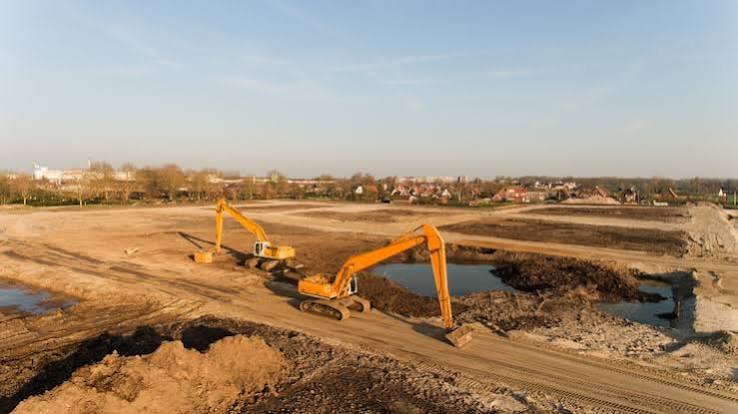
San Antonio, Texas, has continued to attract residents, businesses and investors, creating opportunities for residential and commercial property development. As the city expands, real estate developers in San Antonio TX play an important role in turning undeveloped or underutilised land into valuable properties and well-planned communities.
However, successful development is not simply about constructing buildings and selling them. Long-term property value comes from careful planning, suitable locations, quality construction, strong infrastructure and an understanding of how an area may develop in the future.
A well-planned development can provide benefits for property owners and residents while also contributing to the growth of the surrounding community. Here are some of the key ways developers create lasting property value in San Antonio.
Understanding the San Antonio Property Market
Before beginning a development project, developers need to understand the local market. San Antonio includes a wide range of neighbourhoods, property types and buyer demographics, meaning that demand can vary considerably from one area to another.
Real estate developers study factors such as population growth, housing demand, employment opportunities, infrastructure improvements and nearby amenities. This research helps them determine what type of development is likely to be suitable for a particular location.
For example, a site close to employment centres and major transport routes may have different development potential from land located in a quieter suburban area.
Understanding these differences allows developers to make informed decisions rather than relying solely on short-term market trends.
Choosing the Right Location
Location remains one of the most important factors influencing long-term property value.
A well-located development can benefit from convenient access to schools, shopping centres, healthcare facilities, employment areas, recreational spaces and major roads. As surrounding infrastructure improves, properties in strategically positioned areas may become increasingly attractive.
Developers therefore look beyond the current condition of a site. They also consider planned infrastructure, future growth and potential changes within the surrounding area.
The goal is to create a development that remains convenient and desirable for residents and property owners for years to come.
Effective Land Planning
Good land planning can significantly influence the success of a development.
Before construction begins, developers need to determine how the available land can be used efficiently while considering planning requirements, access, drainage, utilities, environmental factors and surrounding properties.
A carefully planned site can make better use of available space while creating functional and attractive environments.
For larger projects, land planning may also involve roads, open spaces, residential lots, community facilities and landscaping. When these elements are considered together, the result can be a more cohesive development rather than a collection of disconnected properties.
Developing Quality Residential Communities
Long-term property value is closely connected to the quality of the environment created by a development.
Modern buyers often look beyond the house itself. They may consider street layouts, outdoor spaces, privacy, accessibility, neighbourhood appearance and proximity to essential services.
Real estate developers in San Antonio TX can create additional value by designing communities around the needs of their intended residents.
Features such as practical home layouts, attractive streetscapes, green spaces and pedestrian-friendly areas can contribute to the overall appeal of a development.
When people enjoy living in an area, demand for properties within that community can remain stronger over time.
Investing in Infrastructure
Infrastructure is another major component of successful property development.
Roads, drainage systems, utilities, access points, sidewalks and landscaping all contribute to the functionality of a development. Without suitable infrastructure, even a well-located piece of land may have limited development potential.
Developers need to plan infrastructure carefully so that it supports both current requirements and potential future growth.
Quality infrastructure can improve accessibility, reduce potential maintenance issues and contribute to the overall usability of the development.
For this reason, infrastructure should be considered an essential investment rather than simply an additional project cost.
Focusing on Sustainable Development
Sustainability is becoming increasingly relevant in modern property development.
Energy-efficient designs, responsible water management, appropriate landscaping and environmentally conscious construction approaches can help create properties that are more efficient to operate.
Sustainable features may also appeal to buyers and residents who are increasingly interested in reducing energy consumption and ongoing household costs.
For developers, considering sustainability at the planning stage can help create properties that remain relevant as environmental expectations and building standards continue to evolve.
Creating Properties That Meet Future Demand
One of the biggest challenges in real estate development is predicting future demand.
A development that meets today’s needs may not necessarily remain attractive several years from now. Successful developers therefore consider how lifestyles, demographics and buyer preferences may change.
Flexible living spaces, practical layouts, low-maintenance properties and access to community amenities can help developments remain appealing to different groups of buyers.
This future-focused approach can help protect the value of the development as market conditions change.
Adding Value Through Professional Project Management
Real estate development involves numerous stages, from initial site research and feasibility studies to planning, approvals, construction and final delivery.
Each stage needs to be properly managed.
Poor coordination can result in delays, increased costs and problems that affect the final quality of a project. Professional project management helps developers maintain control over budgets, schedules, consultants, contractors and other project requirements.
Effective management also allows potential issues to be identified earlier, reducing the likelihood of costly surprises later in the development process.
Considering the Surrounding Community
A successful development should not exist in isolation.
The way a new project interacts with its surrounding neighbourhood can influence its long-term success. Developers need to consider existing roads, neighbouring properties, local services, community needs and the broader character of the area.
A development that complements its surroundings can contribute positively to the neighbourhood.
New housing, improved infrastructure, attractive landscaping and additional services can sometimes encourage further investment in nearby areas, creating benefits that extend beyond the original development site.
Protecting Long-Term Investment Potential
Property development requires substantial financial investment, so developers need to consider long-term returns from the beginning.
This involves analysing land acquisition costs, planning expenses, construction costs, infrastructure requirements, financing and expected market demand.
A strong feasibility assessment can help determine whether a project is financially realistic before significant resources are committed.
Rather than focusing only on immediate profit, developers can create stronger long-term value by balancing financial objectives with quality, functionality and market demand.
Adapting to San Antonio’s Growth
San Antonio continues to evolve, and development opportunities can change as different parts of the city and surrounding areas grow.
Developers who understand local growth patterns can identify opportunities to create properties that support emerging housing and lifestyle needs.
Growth can bring new roads, businesses, employment opportunities and services, which may influence demand for nearby properties.
By considering these wider trends, developers can make decisions based not only on what a location looks like today but also on what it could become in the future.
Why Local Expertise Matters
Working within a specific market requires an understanding of local conditions. Developers familiar with San Antonio can have greater insight into local land characteristics, market demand, planning considerations and development opportunities.
Local knowledge can help developers identify potential challenges earlier and develop strategies that are better suited to the area.
This doesn’t mean every project will follow the same approach. Instead, experienced developers assess each site individually and develop a strategy based on its unique characteristics.
Conclusion
Real estate developers in San Antonio TX contribute to long-term property value by taking a comprehensive approach to development. From selecting the right location and planning land effectively to creating quality communities and investing in infrastructure, every decision can influence the future performance of a project.
The strongest developments are not simply focused on building properties quickly. They are designed with future residents, surrounding communities and long-term market demand in mind.
As San Antonio continues to grow, thoughtful property development can help transform available land into functional, attractive and valuable places to live and invest. By combining local market knowledge, strategic planning, quality construction and a long-term vision, developers can create properties that offer lasting value well beyond the completion of the initial project.