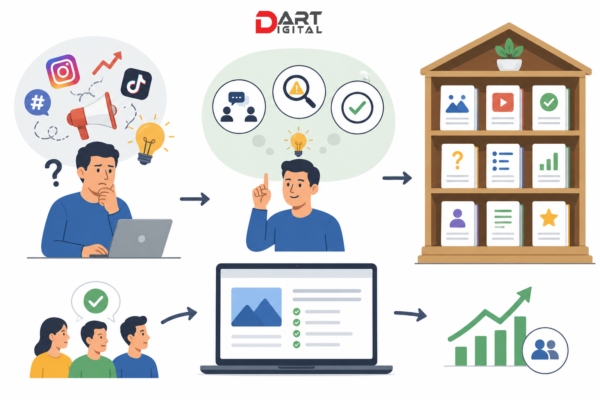
Understanding the Role of a Hospitality Marketing Agency


The hospitality industry is one of the most competitive and experience-driven sectors in the economy. Hotels, restaurants, bars, cafés, and leisure venues all rely on visibility, reputation, and customer perception to attract guests. With changing consumer habits and increased digital influence, marketing within hospitality has become more complex and specialised.
As a result, many organisations seek structured support to manage their marketing activity. This has led to the development of the Hospitality Marketing Agency, a type of agency focused on helping hospitality businesses communicate effectively with their audiences across multiple channels.
This article provides an educational overview of what a hospitality marketing agency is, how hospitality marketing works, and why it matters. The content is written in UK English, maintains a neutral and professional tone, and focuses on explaining concepts clearly for general readers rather than promoting services.
What Is Hospitality Marketing?
Hospitality marketing refers to the strategies and activities used to promote hotels, restaurants, venues, and related services to potential guests. Its purpose is to build awareness, shape perception, and encourage engagement that may lead to bookings or visits.
Unlike product-based industries, hospitality marketing is closely linked to experience. Customers are not just buying a room or a meal, but an overall impression that includes service, atmosphere, and emotional connection.
Hospitality marketing often combines digital channels, offline communication, and customer experience management. It must also respond quickly to trends, reviews, and seasonal demand.
Defining a Hospitality Marketing Agency
A Hospitality Marketing Agency is an organisation that supports hospitality businesses with planning, managing, and evaluating marketing activity. Its role is to provide structure, insight, and expertise tailored to the hospitality sector.
These agencies typically understand industry-specific challenges such as fluctuating demand, competition within local markets, and reliance on reviews and word-of-mouth. Their work may span branding, digital marketing, content creation, and audience analysis.
Rather than focusing on a single tactic, a hospitality marketing agency usually takes a holistic view, ensuring marketing efforts align with business goals and guest expectations.
Core Functions of a Hospitality Marketing Agency
Marketing Strategy and Planning
A key responsibility of a hospitality marketing agency is helping define marketing strategy. This involves identifying target audiences, setting objectives, and selecting appropriate channels.
Strategic planning ensures marketing activity is coordinated and purposeful, rather than reactive or fragmented.
Brand Positioning and Identity
Hospitality businesses often operate in crowded markets. A hospitality marketing agency helps clarify brand positioning, ensuring messaging reflects values, personality, and unique characteristics.
Clear brand identity supports recognition and consistency across different touchpoints.
Digital Marketing and Online Presence
Digital channels play a major role in hospitality marketing. Agencies may support website optimisation, search visibility, and content planning to improve online discoverability.
An effective online presence helps guests find accurate information and form positive impressions before visiting.
Content Creation and Storytelling
Content is central to hospitality marketing. This may include written articles, photography, video, and social media posts that reflect the guest experience.
A hospitality marketing agency helps shape content that is informative and engaging, focusing on clarity rather than overt promotion.
Social Media and Community Engagement
Social media platforms allow hospitality businesses to interact directly with guests. Agencies often support content planning, posting schedules, and engagement management.
The aim is to build relationships and encourage conversation rather than simply broadcast messages.
Performance Measurement and Insight
Marketing activity needs evaluation to understand what works. Hospitality marketing agencies monitor performance using metrics such as engagement, website traffic, and booking enquiries.
Insight gained from data helps refine future activity and supports informed decision-making.
Why Hospitality Marketing Is a Specialist Area
Hospitality marketing differs from many other forms of marketing because it is closely tied to service quality and customer experience. Marketing messages set expectations that must be met in real life.
The sector is also influenced by external factors such as travel trends, economic conditions, and local competition. Marketing strategies must remain flexible and responsive.
A hospitality marketing agency brings sector-specific understanding, helping businesses navigate these complexities with greater confidence.
How Hospitality Marketing Differs From General Marketing
General marketing principles apply across industries, but hospitality marketing places greater emphasis on emotion, trust, and reputation.
Purchasing decisions in hospitality are often influenced by reviews, recommendations, and imagery. Marketing therefore focuses not only on features but on how experiences are perceived and shared.
Understanding these differences helps explain why hospitality businesses may benefit from specialist marketing support.
Benefits of Working With a Hospitality Marketing Agency
One benefit of working with a hospitality marketing agency is access to expertise. Agencies are familiar with industry trends, guest behaviour, and platform changes.
They also provide an external perspective. Hospitality operators may be deeply involved in daily operations, making it difficult to view marketing activity objectively.
Agency support can improve consistency, ensuring messaging and branding remain aligned across channels and over time.
Challenges and Limitations of Hospitality Marketing
Hospitality marketing faces several challenges. Competition is high, and attention spans are short. Marketing messages must cut through noise while remaining authentic.
Results can also be influenced by factors beyond marketing control, such as service quality, staffing, or external events. Marketing can support awareness and interest, but it cannot compensate for poor experience.
There are also ethical considerations. Hospitality marketing should be accurate and responsible, avoiding misleading claims that could damage trust.
Measuring Success in Hospitality Marketing
Success in hospitality marketing is measured using a combination of quantitative and qualitative indicators. Metrics may include website visits, enquiries, engagement, and booking trends.
Qualitative feedback, such as reviews and customer comments, provides valuable insight into perception and satisfaction.
Clear objectives help guide measurement and ensure expectations remain realistic.
Common Misconceptions About Hospitality Marketing Agencies
A common misconception is that hospitality marketing is mainly about promotion and discounts. In reality, effective marketing focuses on long-term perception and relationship building.
Another misunderstanding is that marketing guarantees immediate results. Hospitality marketing often requires sustained effort and adaptation to achieve meaningful impact.
Recognising these realities helps businesses approach marketing with informed expectations.
Emerging Trends in Hospitality Marketing
Hospitality marketing continues to evolve alongside technology and consumer behaviour. Digital discovery, mobile booking, and social influence play an increasing role.
There is growing emphasis on authenticity, sustainability, and transparency. Guests often want to understand values and practices, not just amenities.
Personalisation and data-driven insight are also shaping how hospitality businesses communicate with different audience segments.
When Hospitality Businesses Consider Marketing Agency Support
Hospitality businesses may consider working with a hospitality marketing agency during periods of growth, repositioning, or increased competition. This might include new openings, rebranding, or expansion into new markets.
Agency support can help ensure marketing activity remains strategic and consistent during these changes.
Conclusion
A Hospitality Marketing Agency plays an important role in helping hospitality businesses communicate effectively in a competitive and experience-driven sector. By combining strategy, content, and insight, hospitality marketing supports awareness, understanding, and long-term reputation.
Understanding how hospitality marketing works allows readers to view it as a structured discipline rather than a collection of tactics. In an industry where perception and experience are closely linked, informed and thoughtful marketing remains essential to sustainable success.