How Can Brands Plan Their Retail Expansion For Scalable Growth

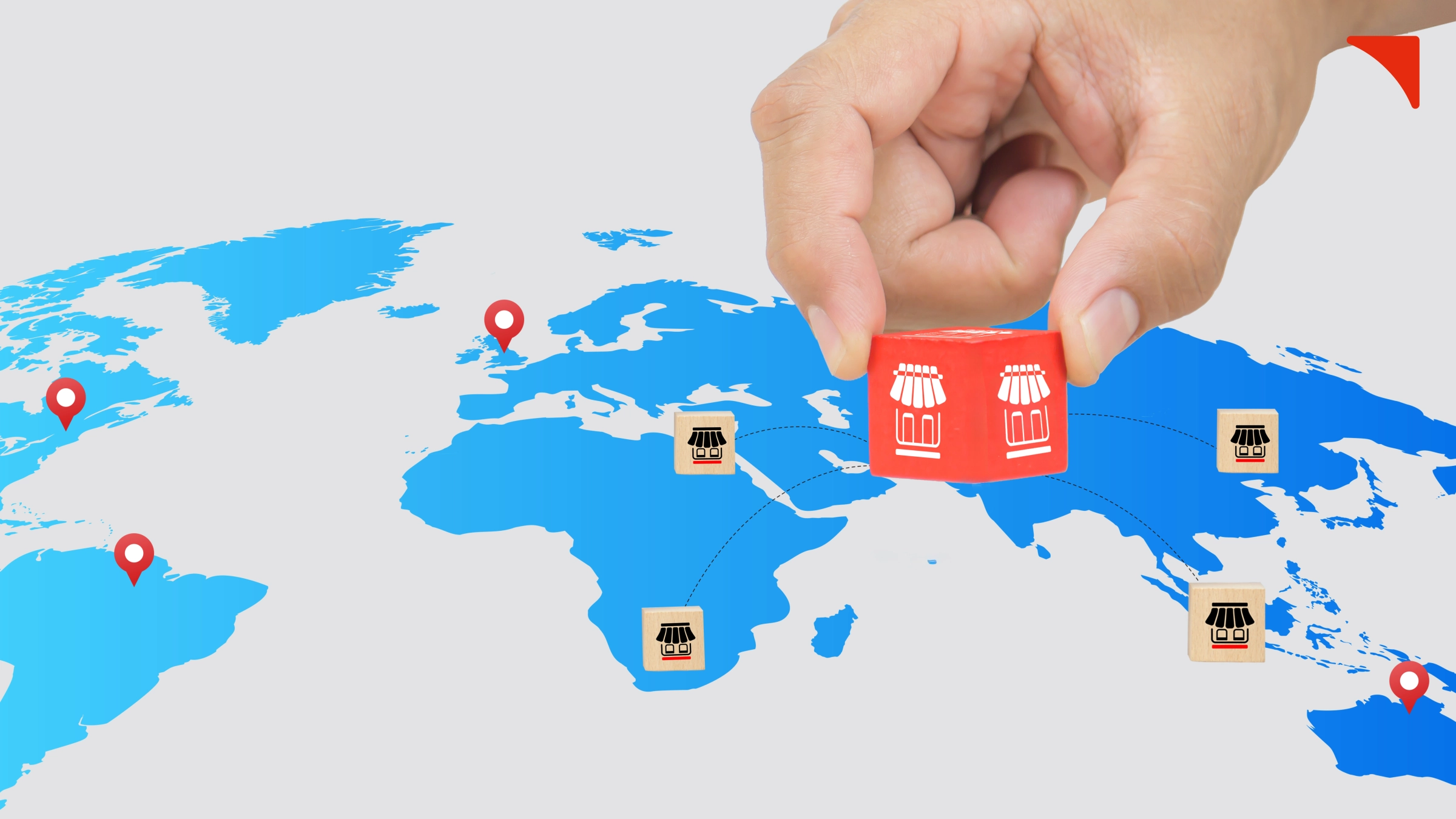
Modern brands adequately understand and have now accepted the fact that the concept of retail expansion does not revolve around opening more and more stores. Instead, it goes way beyond that and is now more focused on building a system that can be scaled smoothly while maintaining consistency, speed, and relevance. In order to successfully expand their physical retail business, it is crucial for brands to practice careful planning across multiple areas and further develop an integrated system that ensures growth and profitability.
But, here is the main question: What all areas does a brand need to consider while planning?
This is indeed one of the most trickiest questions that always keeps the retailers wondering. Well, this is why we decided to come up with this article. In this content piece, we will cover different areas/factors that brands need to consider when planning their store expansion. If you wish to know about all of them, keep reading with complete attention.
1.) Understanding the Foundation
Irrespective of whether it is a small retail space or a large one, they all start with basics—materials. It is very important for retailers to select the right type of materials as it significantly impacts cost, durability, and the overall look and feel of the physical outlet. Whether it’s retail fixtures, shelving, or display units, when brands have a clear understanding of materials and they select the right one, it helps them maintain consistency across different stores established at different locations.
No two stores are exactly the same. Retail shop owners might have to make adjustments based on the different requirements of every space. In this scenario, having a balance between standardization, flexibility, and adaptability is also important at the same time. Hence, when the material strategy is strong, it helps ensure that store execution across locations remains effective and efficient, that too, without compromising the quality.
2.) Building the Right Vendor Base
Vendors do play an important role in scaling retail operations. Having a reliable vendor base allows a brand to be rest assured about the delivery of in-store items and quality standards.
However, it is also suggested that brands should not completely rely on just a single vendor. Having multiple vendors directly eliminates the risk and also improves flexibility during retail rollouts. Also, at the same time, when brands establish long term relationships with key vendors/converters, it lets them experience better coordination, pricing, and reliability. In other words, a strong vendor network directly impacts the launch timing of stores and how they are maintained after that.
3.) Leveraging Technology for Agility
Technology is dominating each and every field on this planet, and the same goes for the field of retail as well. It is significantly driving speed and innovation in retail. In this scenario, brands that leverage tools like 3D printing can seamlessly create prototypes for store fixtures, displays, layouts, and other in-store elements. This will not just reduce the time spent on design changes but will also facilitate faster and informed decision making.
By utilizing these technologies, brands and businesses can easily test their ideas before actually executing them on a large scale. Apart from saving time and cost, this tactic will also significantly improve the quality of store execution.
4.) Expanding Network Reach Efficiently
In this world, irrespective of whether we talk about a brand or an individual, it is extremely important to have a strong business in order to be successful.
A retail brand should possess a strong network, including warehouses, transportation systems, and last mile delivery capabilities, to ensure the success of its physical as well as digital retail expansion. Without a well planned supply chain, delays in product delivery, and other inconsistencies, store openings can be severely affected.
When a brand practices efficient network planning, it helps in making sure that materials, shelves, store fixtures, and other elements reach the right place, and that too, at the right time. Also, a robust network significantly contributes to maintaining uniformity/consistency across stores, which indeed is very important for maintaining a unified brand image.
5.) Managing Regional Nuances
We all know that no two markets are the same. Every market is different from others. This makes it important for retailers to understand regional differences in order to succeed in every individual retail market. Various factors like customer preferences and expectations, climatic conditions, and local regulations can severely impact how a store should be designed and operated. Hence, considering all these aspects in retail design is essential.
Understand this better with an example: Some material might work well in Delhi but not be suitable for Uttarakhand due to different weather conditions. Similarly, retailers may need to change product displays and layouts depending on store size and customer behavior. When brands adapt to these nuances, it helps them in ensuring better acceptance and smoother store execution at the local level.
Also, something that retailers do need to consider at the same time is maintaining a balance between global standards and local customization. Establishing this balance is very important for achieving a successful retail rollout across diverse markets.
Bringing It All Together
In order to achieve a successful retail expansion, brands need to ensure that all the elements should be connected to each other. They should not manage materials, vendors, technology, network reach, and regional nuances in isolation. Instead. All these factors should coordinate with each other and work together as a part of a single system. However, achieving this is not as simple as it seems to be. Hence, it is advised that brands should consider partnering with a retail branding and marketing agency that can seamlessly tie all these laments together.
When brands collaborate with a reliable and trusted partner, they experience various advantages. Instead of coordinating with multiple vendors and worrying about how things are being done, an integrated retail agency offers a single point of contact, better accountability, and faster decision making. This does not just reduce delays but actually ensures a more consistent and precise store expectation across different locations.
Winding it up!
From the information provided in this article, it is very clear that just a single factor alone can never determine the success of retail expansion. Instead, it is actually the result of various things, including careful planning, strong partnerships, and the ability to adapt to different locations and align with the needs and preferences of modern consumers.
By simply focusing on establishing the right foundations and ensuring seamless coordination across all areas, brands can efficiently and effectively scale their business and take it to new heights by building a strong retail presence.
In the end, partnering with the right agency and executing a well planned strategy are the key points to ensure that each and every new store is not just launched, but established in a proper manner.